
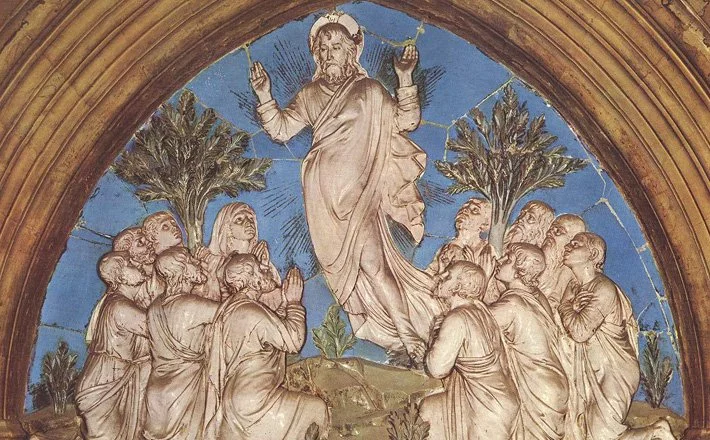
"Your flesh and blood is at the right hand of the Almighty" Ascension (observed) 2026
The angels asked: Why do you stand gazing? He is not up there, away, unreachable. He fills all things. He is here — in His word, in His sacrament — as surely as He was on the mountain before the cloud came. The cloud did not remove Him. It revealed Him. As the One who sits at the right hand of the Father. As the One who, in that human nature, fills all things. As your Brother, enthroned.

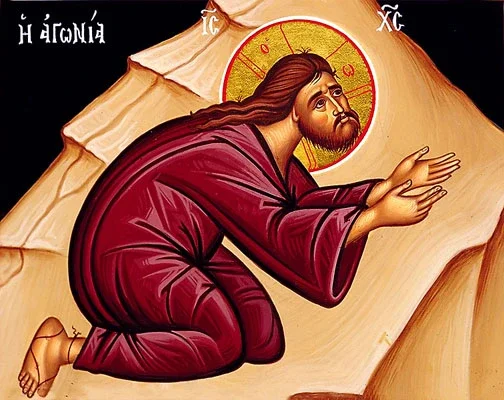
“The Father Himself loves you… pray!” Rogate 2026
Prayer in the name of Jesus is not a formula appended to a petition. It is a location. To pray in His name is to come to the Father as one who is in the Son — wrapped in the Son, carrying the Son’s own standing before the Father. You are not the poor man at the gate any longer. You are not approaching from outside, hoping to have moved Him. You are praying from inside the love the Father has for the Son. That is where the font placed you. That is where you stand.

"Water. Word. That is the sign. It was always his" — Funeral of Donald Thiel
Has the Name been put on you in the water? Then the claim has been made. It has not expired. The Lord is not waiting for you to perform your way back to him before he makes good on what he said when the water was poured.
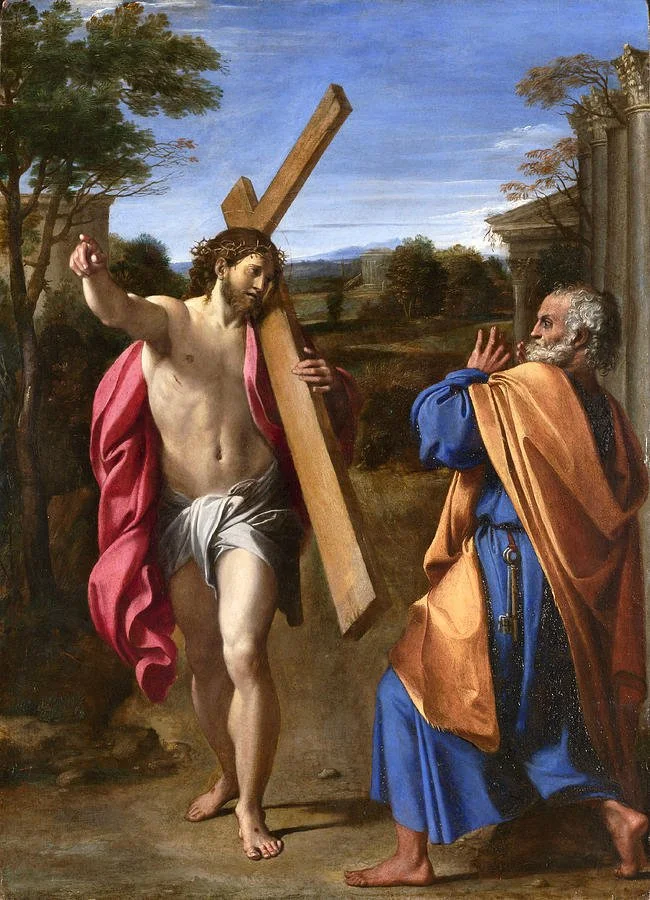
"Christ went where you could not go" Friday of Cantate (observed) 2026
The new commandment is a finished love. Christ made it on a cross. He gives it to you here in water and word and bread and wine. It is yours. The commandment and the gift are one. Faith and love are baked together like one loaf. Christ holds the one, and you hold the other, and there is no separating them. Christ went where you could not go, so that you could love as you have been loved.

"Draw from the well of His salvation, Jesus." Cantate 2026
This is the advantage. Not God near in the way you wanted. Better than that. The Spirit who convicts — your sin named and buried, Christ’s righteousness declared and given, the ruler’s judgment executed and delivered — doing his work here, in this service, for you.
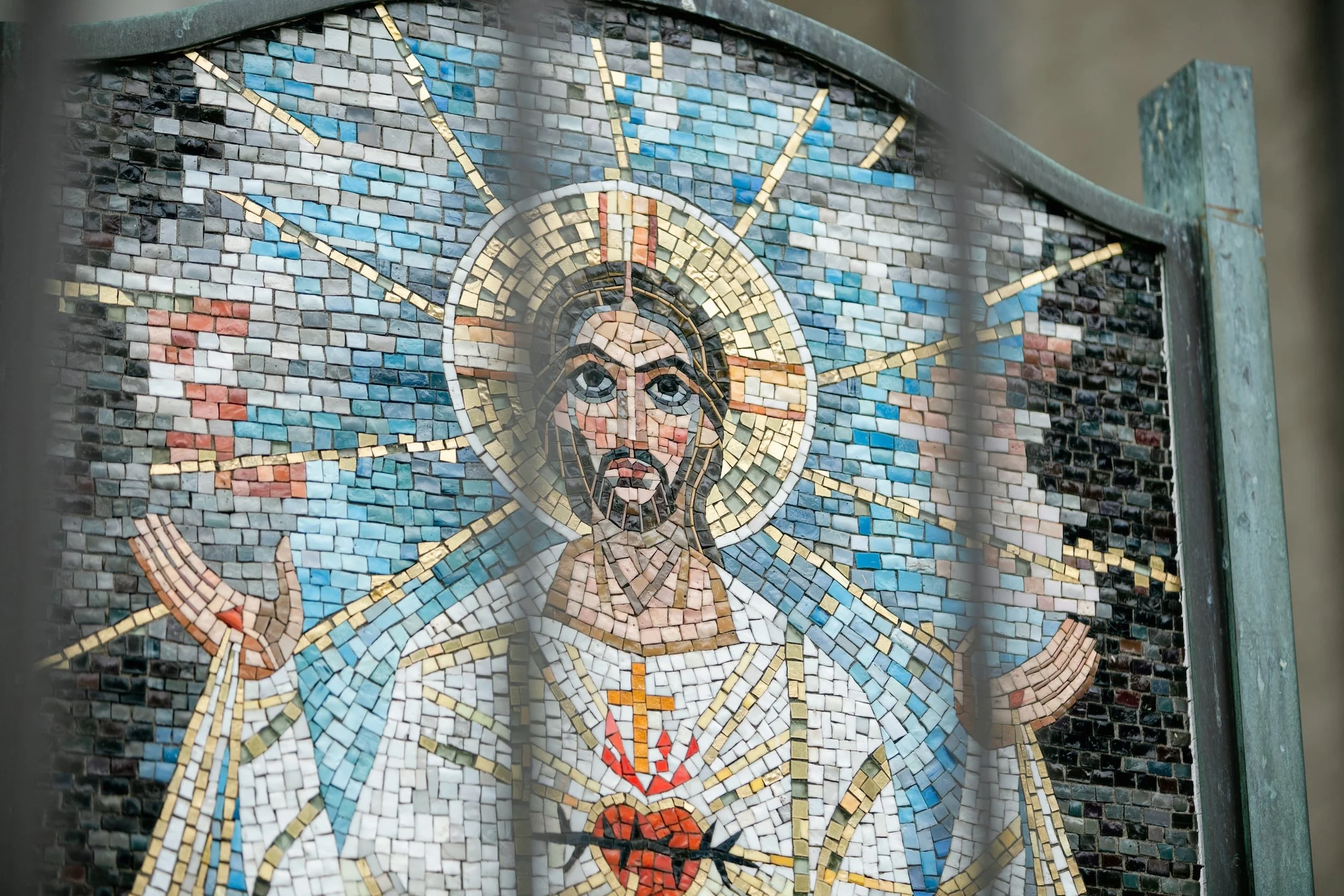
Heidelberg Disputations: Thesis 27-28 — May 3, 2026
Thesis 27: "Actually one should call the work of Christ an acting work (operans) and our work an accomplished work (operatum), and thus an accomplished work pleasing to God by the grace of the acting work."
Thesis 28: "The love of God does not find, but creates, that which is pleasing to it. The love of man comes into being through that which is pleasing to it."
"His commandment is eternal life" Friday of Jubilate 2026
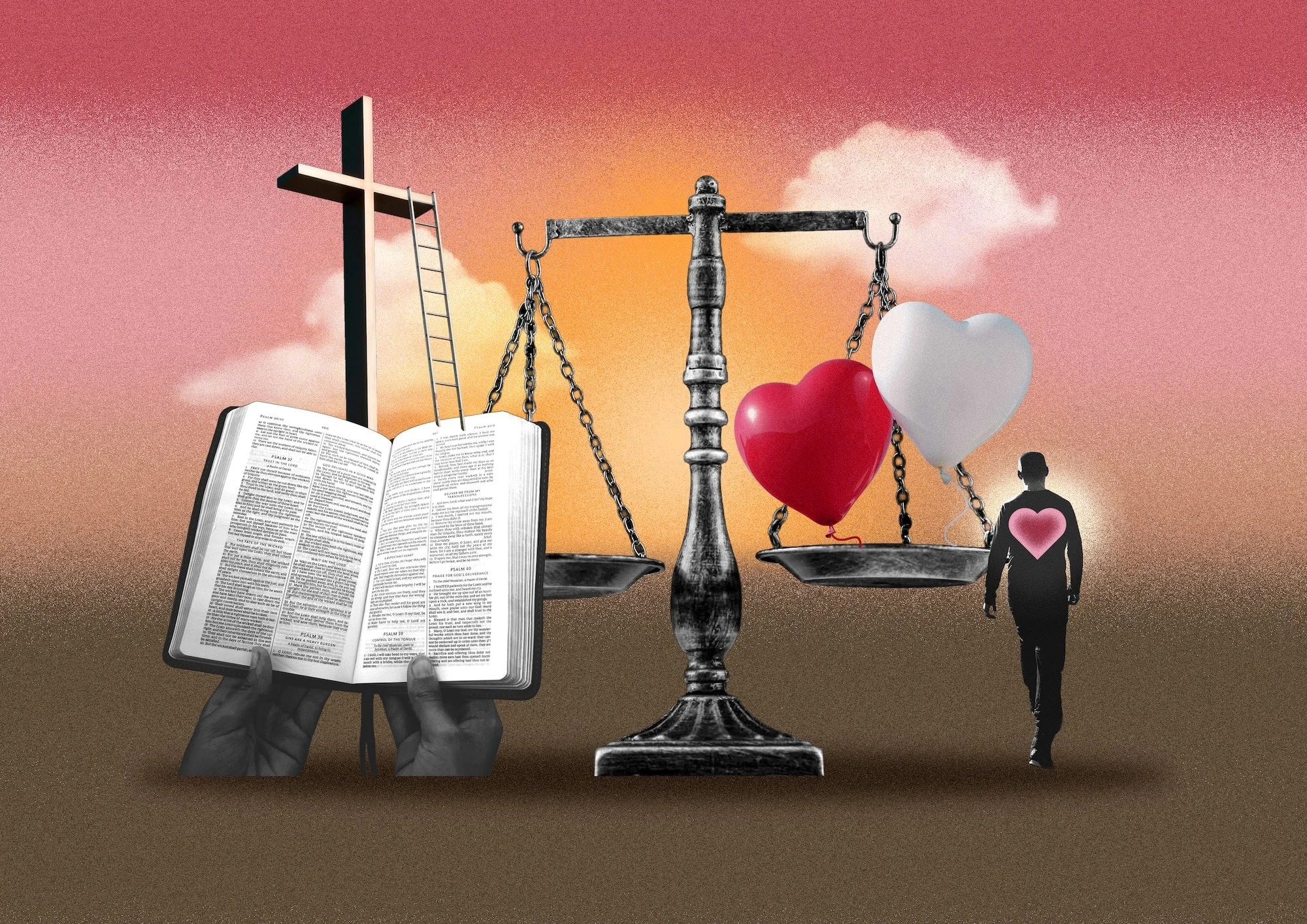
The Father commanded the Son to suffer and enter His glory. The Son obeyed. The Father gave Him over for your trespasses and raised Him for your justification. Christ was raised by the Father, and that resurrection is the Father's seal on every word the Son ever spoke. The empty tomb says: this Word is true. This commandment is life. The grave could not hold the One who carried the Father's commandment, and the grave will not hold those to whom He has spoken it.
Heidelberg Disputations: Thesis 25-26 — April 26, 2026
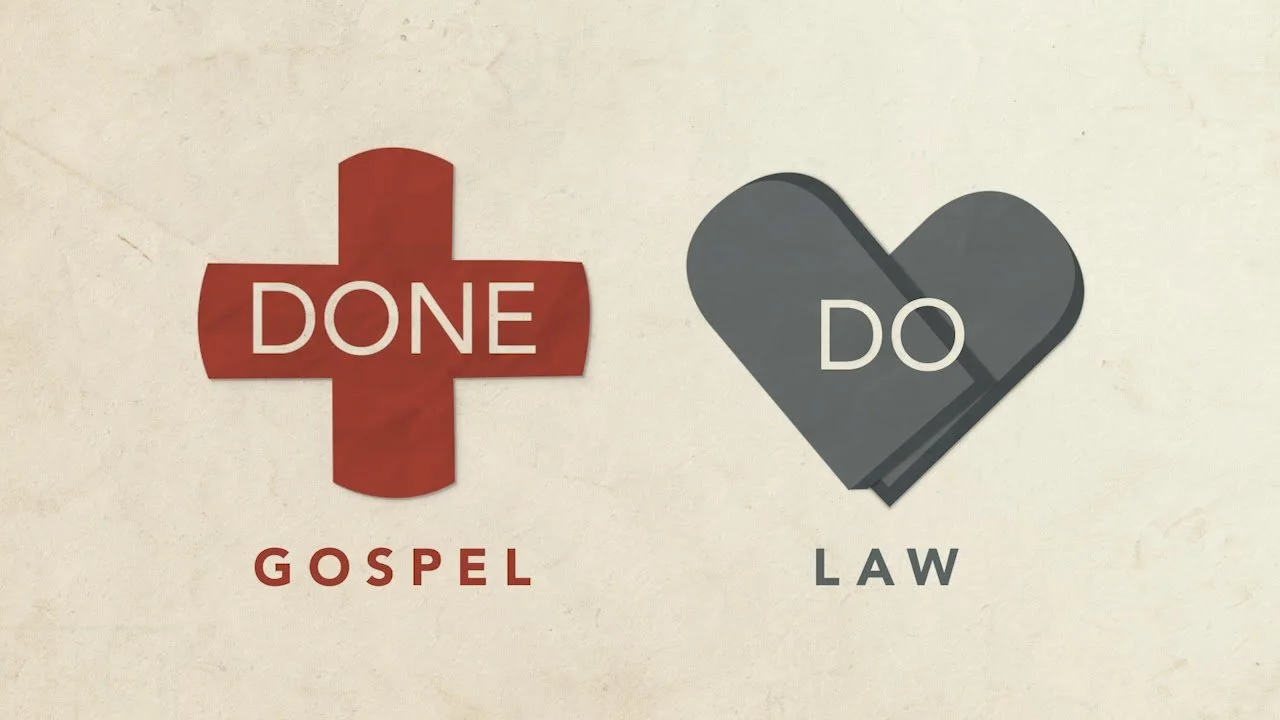
Thesis 25: "He is not righteous who does much, but he who, without work, believes much in Christ."
Thesis 26: "The law says, 'do this', and it is never done. Grace says, 'believe in this', and everything is already done.”
"Come receive what Chronos cannot touch!" Jubilate 2026
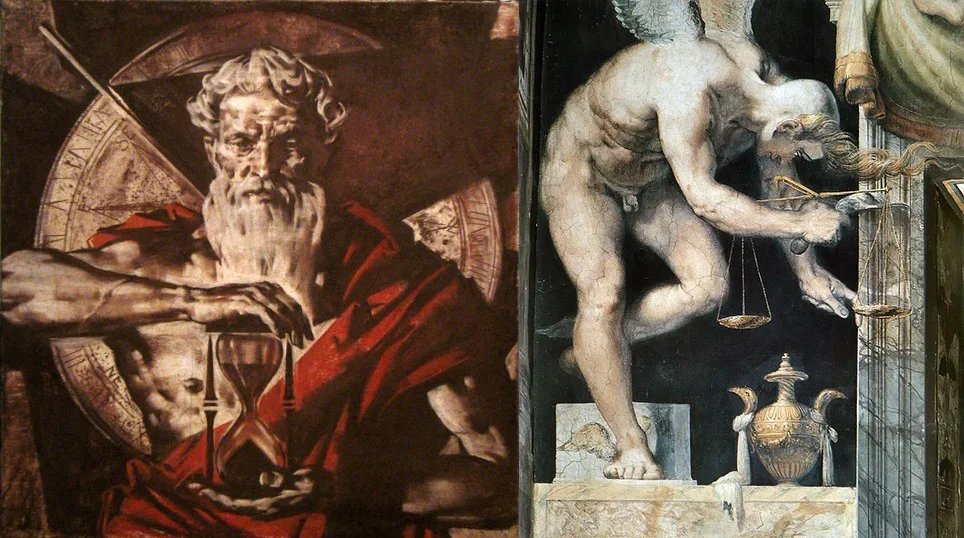
Two kinds of time run through this Gospel. Chronos, which counts every loss and draws its conclusions. And kairos, which speaks the word of the risen Christ into the middle of those losses and names them for what they are: labor pains, not graves.
“The friends of the Bridegroom cannot mourn as long as He is with them” Friday of Misericordias 2026
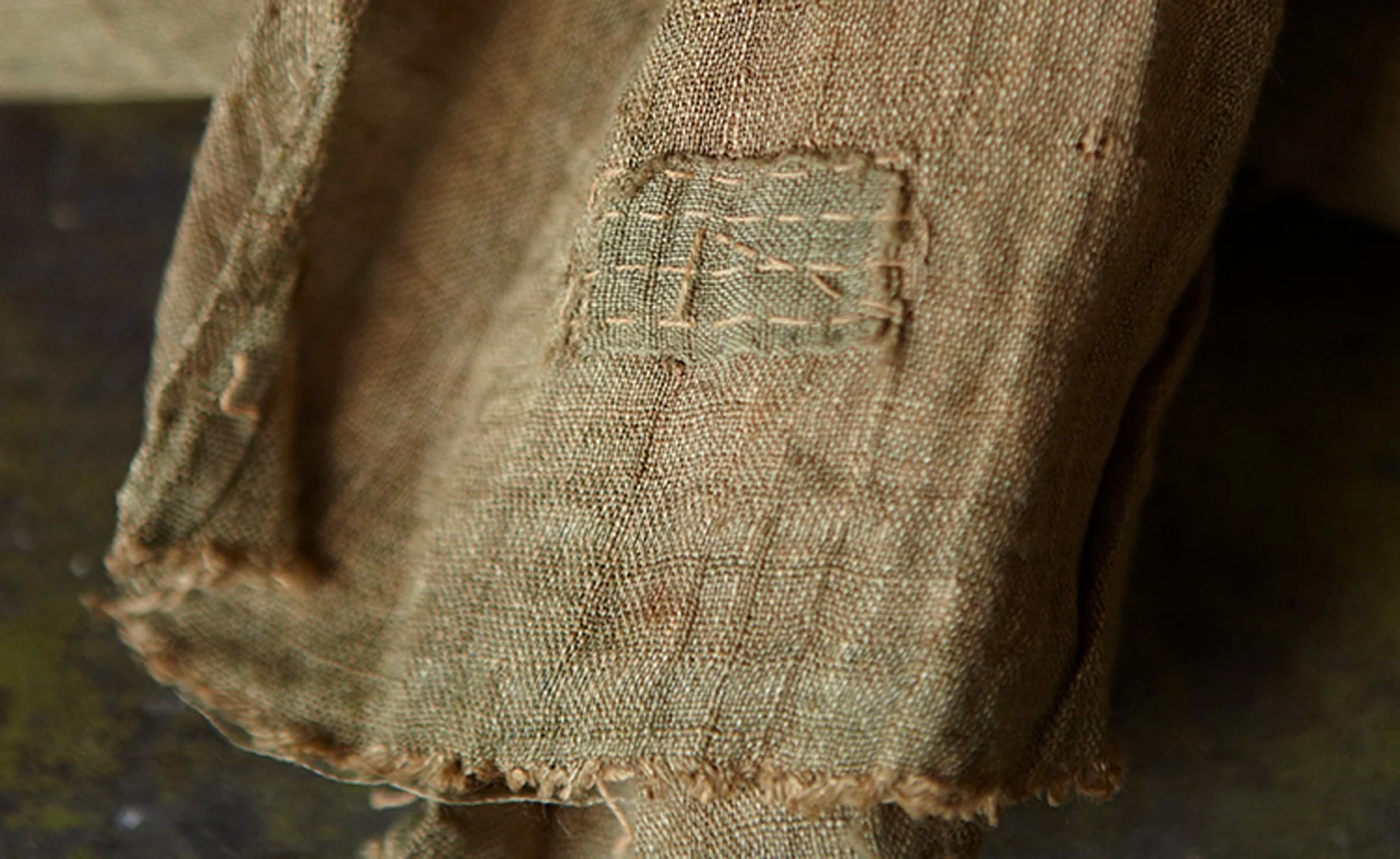
The Bridegroom gives you new wineskins. He gave them to you at the font, where He drowned the old garment and clothed you in His own. The robe you wear before God is His obedience, His death, His resurrection. He does not repair what you bring. He replaces it. This is the grace that cannot be patched onto anything — it must be received whole, given whole, or it is lost.
You Cannot Serve Two Masters: Where Real Biblical Economics Begins
Paul's charge to Timothy exposes the fundamental choice: trust the uncertainty of riches, or trust the God who richly provides. Christ doesn't offer budgeting tips—He offers true life. The kingdom of heaven is the priceless treasure for which you sell everything else.
"The Shepherd stayed when it cost Him His life" Misericordias Domini 2026
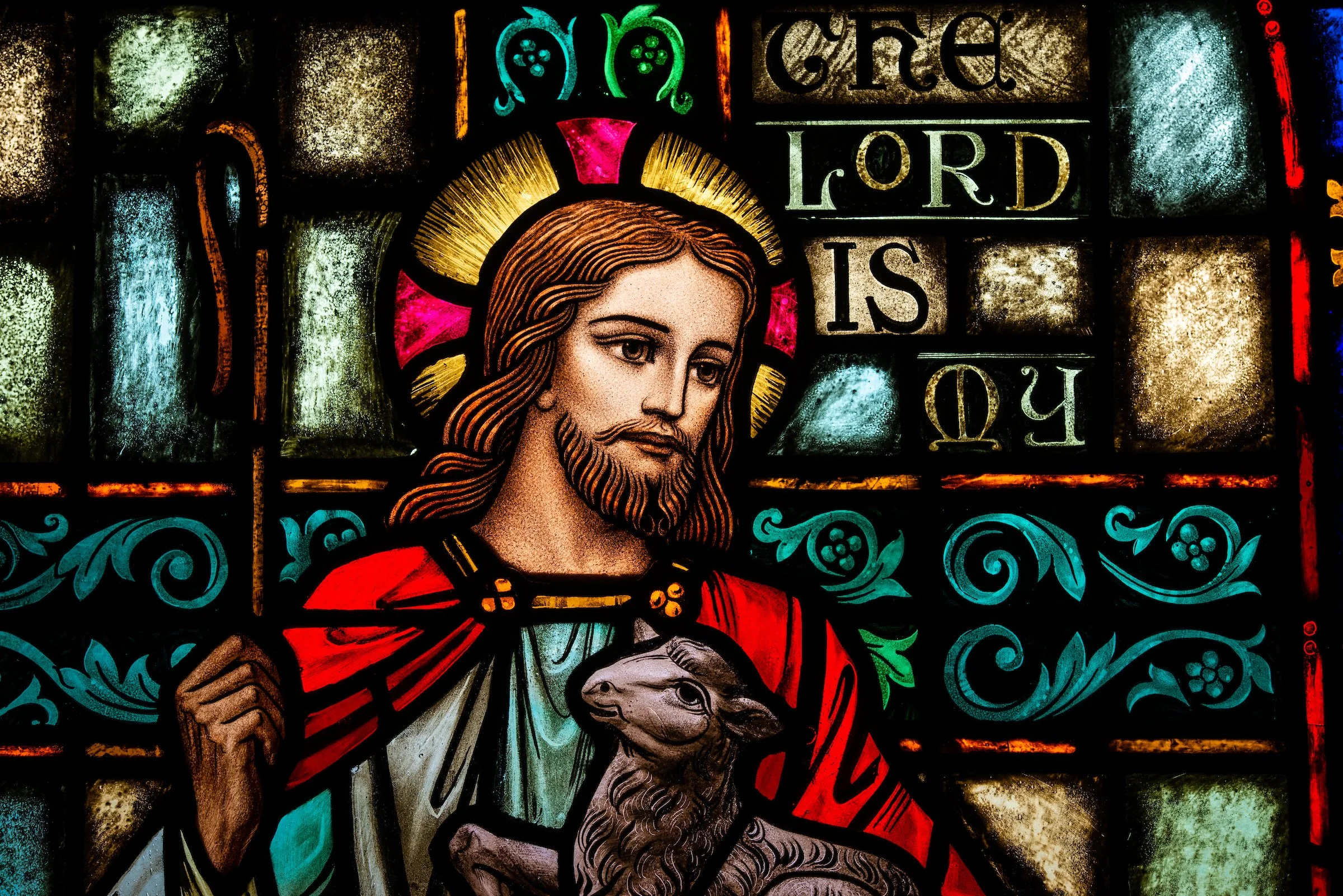
The hireling runs. That is the only fact Jesus gives you about him. He sees the wolf coming, and he runs. The sheep scatter, the wolf takes what it wants, and the hireling is already down the road. Jesus does not tell you the hireling's reasons. He does not need to. The man ran. That is his whole character, stated in a single act. Set that figure next to the Good Shepherd, and you have the entirety of the Gospel for this Sunday: He stayed.
Heidelberg Disputations: Thesis 23-24 — April 19, 2026
Thesis 23: "The law works the wrath of God, kills, reviles, accuses, judges, and condemns everything that is not in Christ."
Thesis 24: "Yet that wisdom is not of itself evil, nor is the law to be evaded; but without the theology of the cross a person misuses the best things in the worst way."
“Fear and joy together. That is the life of faith.” Friday of Quasimodo Geneti (observed) 2026
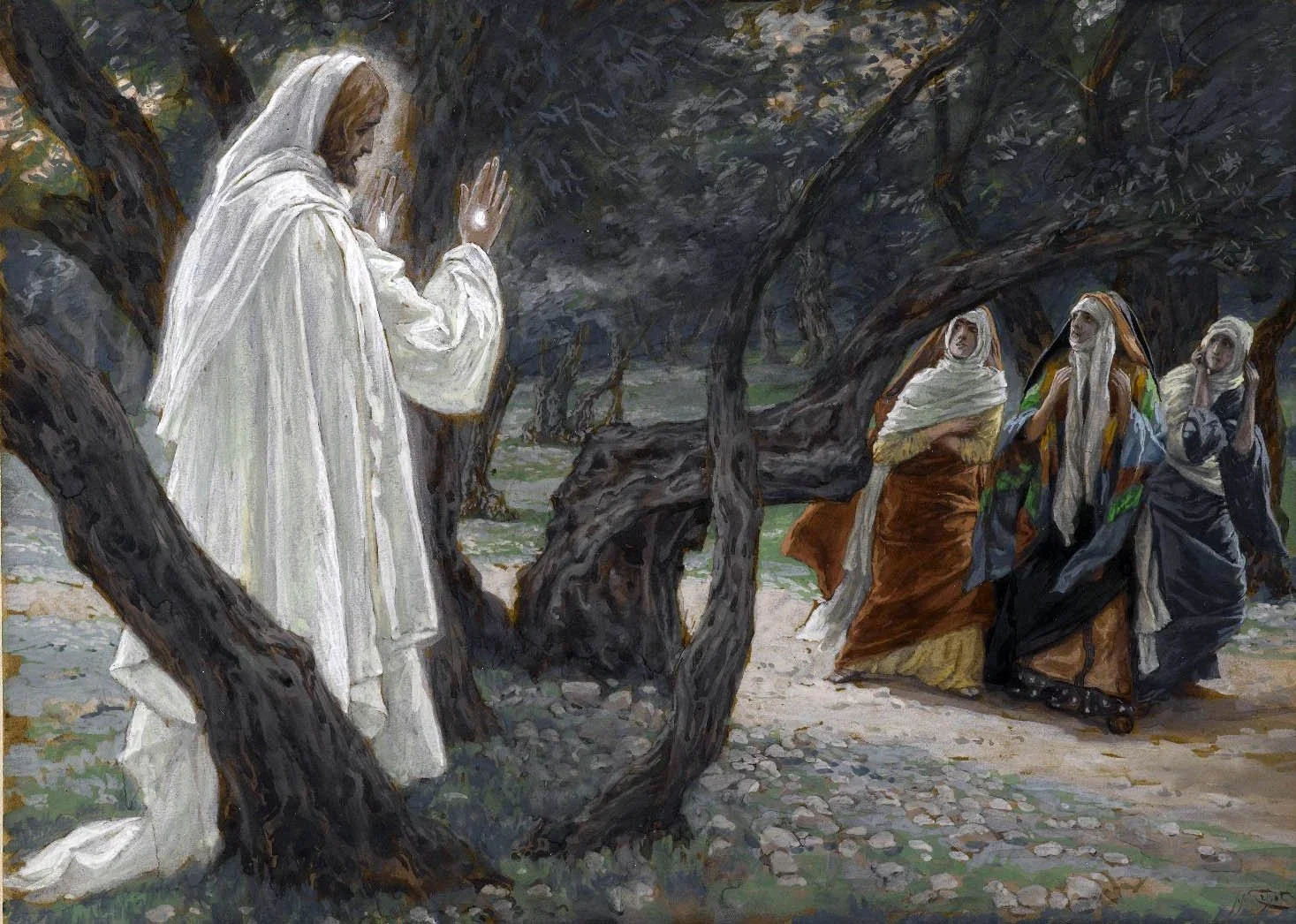
You want joy without the terror of standing before the God who raises the dead. Or you settle for dread with no hope of mercy. The women leave the tomb with both, and Matthew does not apologize. He tells you: this is what the resurrection does. It gives you fear and joy together, because the One you meet at the empty tomb is both Judge and Savior, both Holy God and your Brother.
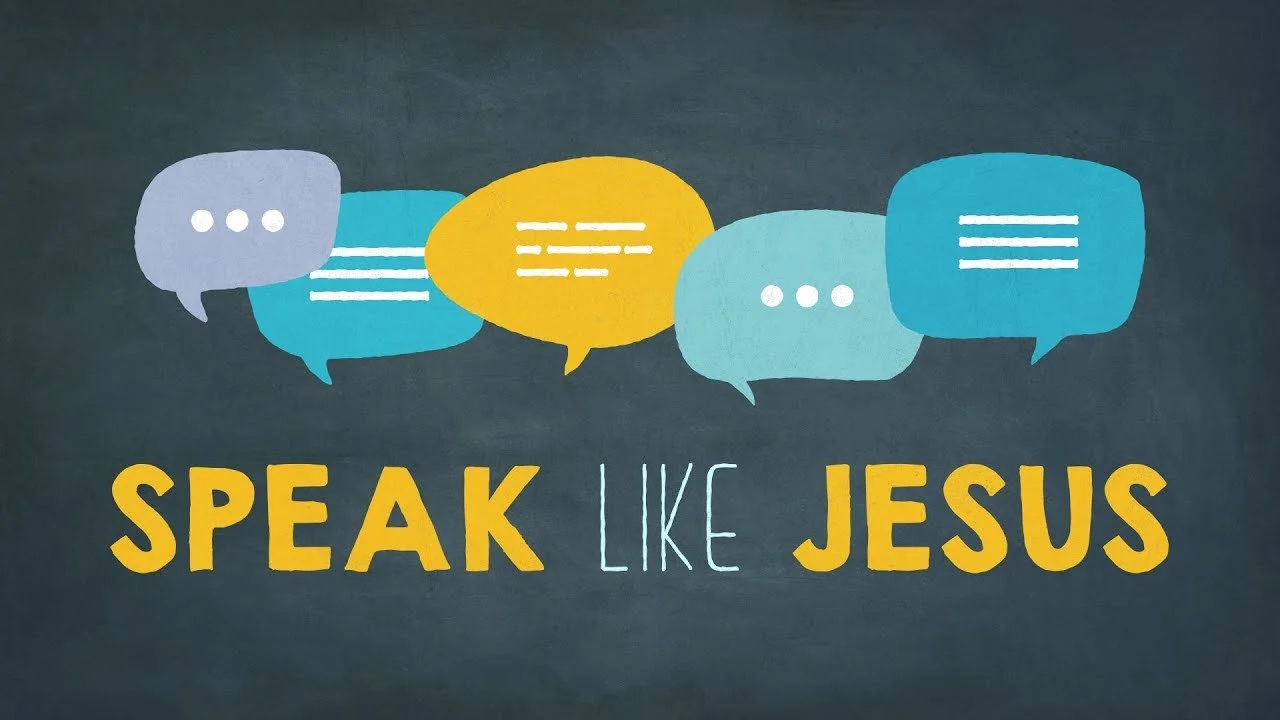
Talking Like Jesus
Christian speech follows the same shape: words grounded in what God has done and what God has promised. Some of those words are mercy. Some are warning. You need both to talk like Jesus.
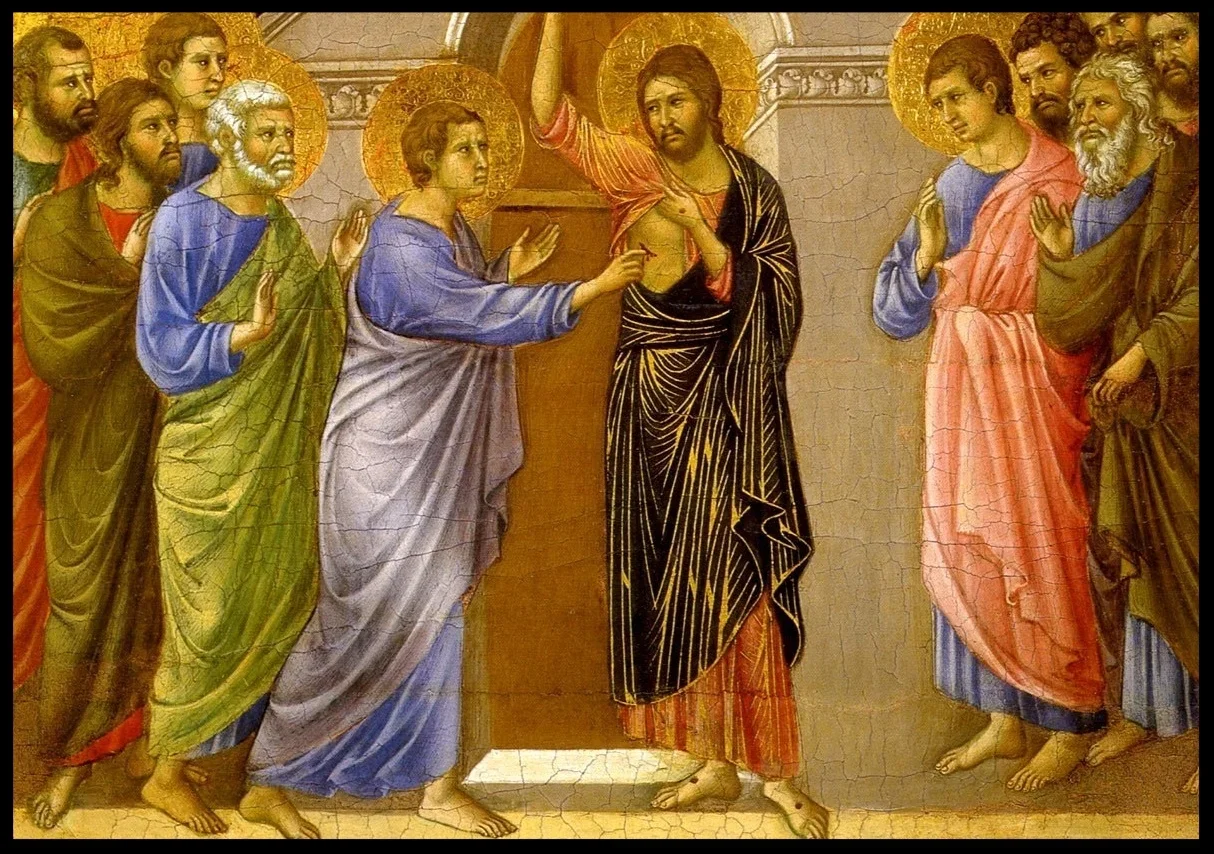
"Faith is born from the breath of God" Quasimodo Geneti 2026
Faith is born from the breath of God. The pneuma of Christ fills us. We live. We believe. We are blessed, because we have not seen and yet we have believed. The Spirit has breathed. The word has raised us. We stand. We confess. We live in His name.

Heidelberg Disputations: Thesis 22 — April 12, 2026
Thesis 22: "The wisdom which sees the invisible things of God in works as understood by human beings is puffed up, blinded, and hardened."
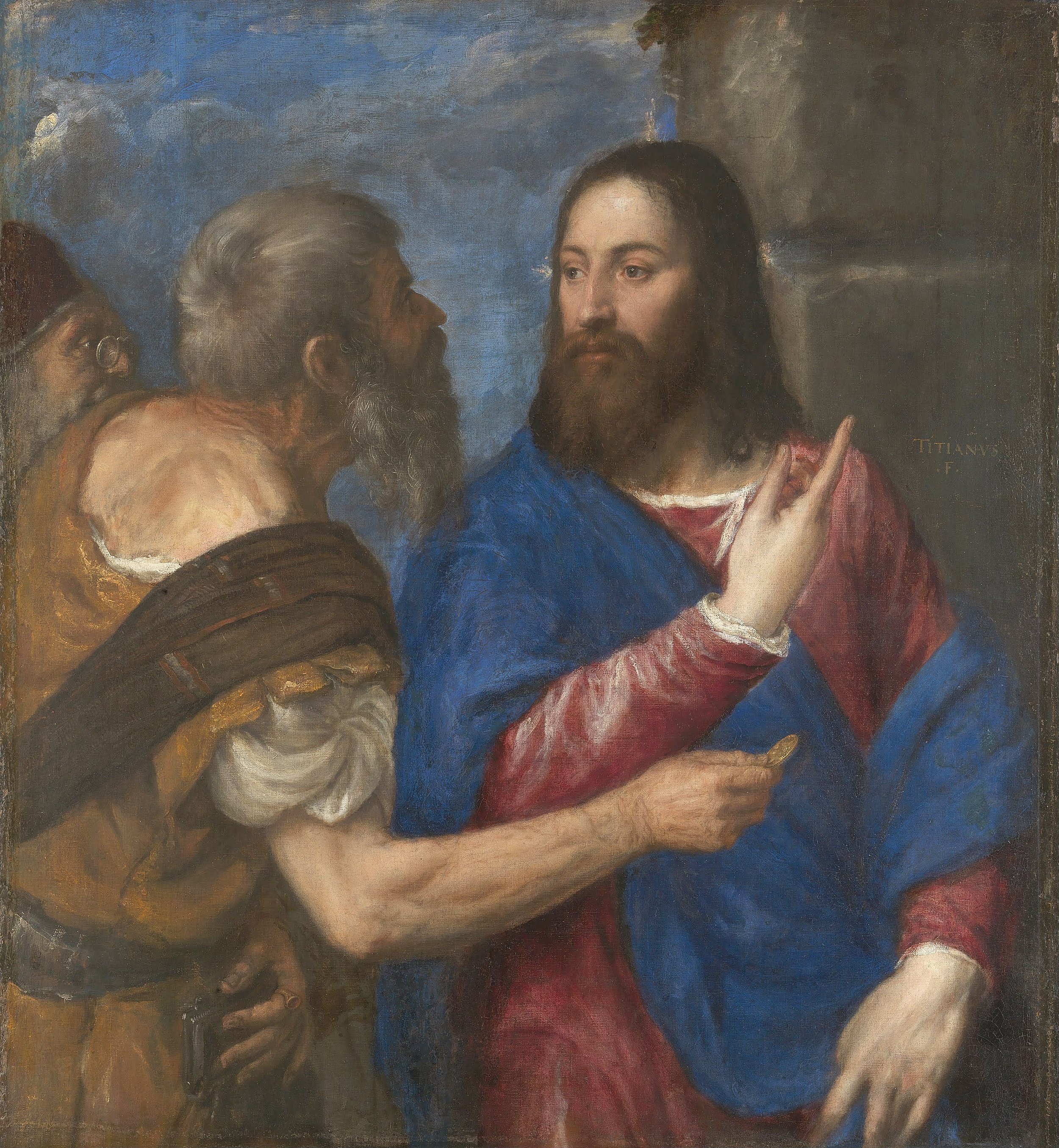
The State Restrains Evil, the Church Proclaims Christ
Christians live in two kingdoms: Church and State. God gave each a different task. The State uses the sword to restrain evil; the Church proclaims Christ to save sinners. Confuse them and you get politics as religion or the pulpit as a campaign stop. Keep them straight and you're free to love your neighbor in both.
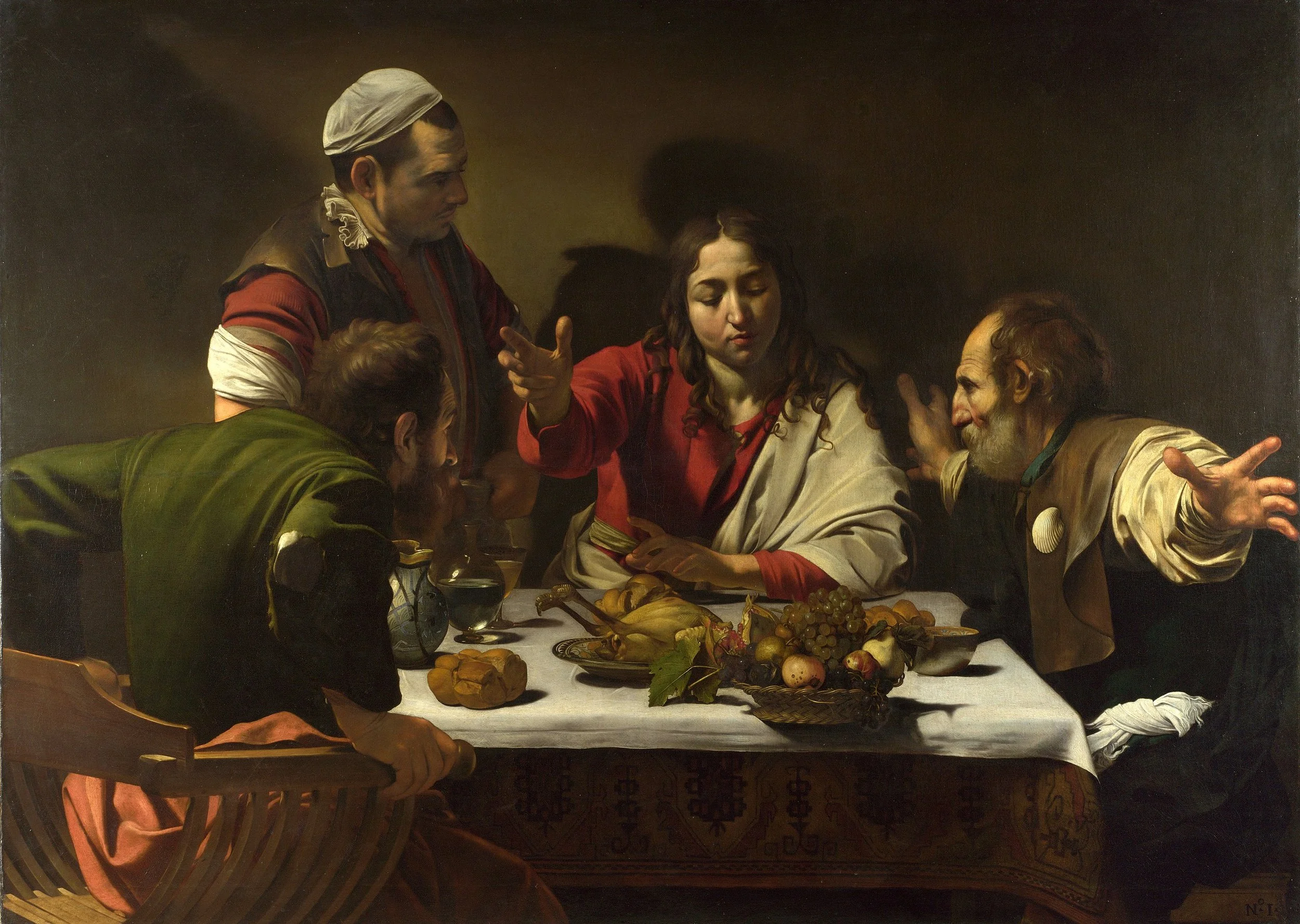
"The risen Christ opens what we cannot" Easter Tuesday 2026
The risen Christ opens what we cannot. Christ opens Scripture. He opens understanding. He opens His hands and His feet to show the wounds. He opens His mouth to eat broiled fish. Through all this opening—this unveiling, this unlocking—He opens heaven itself and seats us there with Him. We cannot open our own eyes to see Him. We cannot unlock the meaning of Scripture on our own. We cannot break down the door that separates earth from glory. The risen Lamb who was slain has won the keys, and He opens what no man can shut.