Open Hands: Giving That Heals
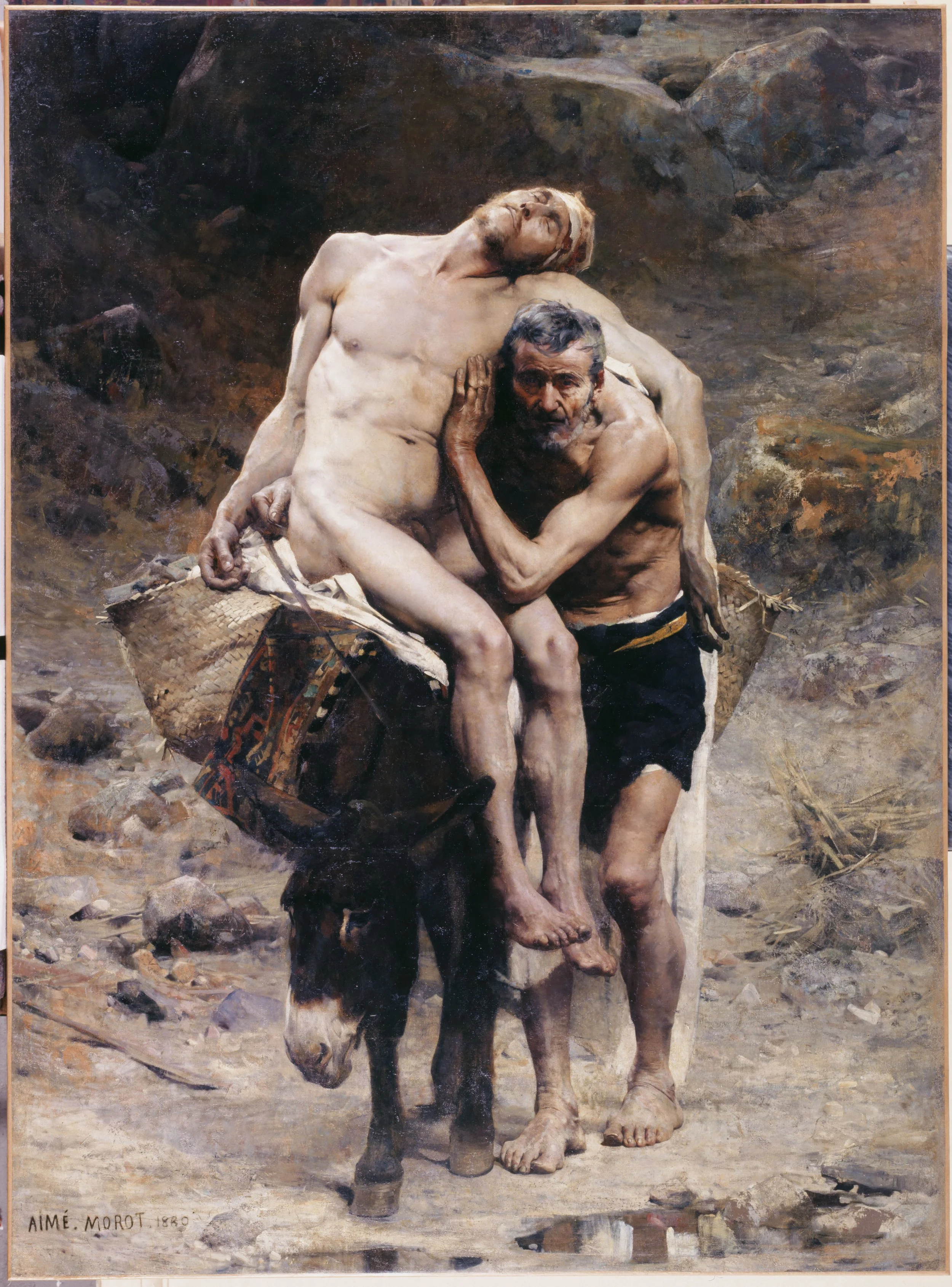
There is a moment most of us have experienced: you hand money to someone in need, and before you have even turned away, you feel a small, uncomfortable knot in your stomach. Did that help? Was it the right call? Will it matter tomorrow? Generosity sounds simple in the abstract, but in real life it gets complicated fast. A congregation that takes mercy seriously will eventually ask hard questions: How do we give in ways that actually restore people rather than trap them in dependence? How do we care for the genuinely poor without becoming an enabler of decisions that deepen someone's trouble? These questions are not signs of our stinginess. They are signs of maturity, and they deserve honest, biblical answers.
Scripture does not leave us guessing about the priority of generosity. The Apostle Paul writes plainly: "As we have opportunity, let us do good to everyone, and especially to those who are of the household of faith" (Galatians 6:10). This is a command, not a suggestion, and it is broad in its scope. Paul also tells Timothy to charge those who are wealthy in this present age "to do good, to be rich in good works, to be generous and ready to share" (1 Timothy 6:17–18). And Jesus himself, in His account of the final judgment, binds the care of the hungry, the stranger, and the prisoner so closely to Himself that He says, "as you did it to one of the least of these my brothers, you did it to me" (Matthew 25:40). Mercy is woven into what it means to follow Jesus, not optional part of the Christian life. The question is never whether to give, but how.
Here the wisdom of good stewardship becomes genuinely useful. Not all giving produces the same outcome. Charity that bypasses a person's dignity and responsibility can quietly make things worse, even when the motives are pure. A congregation that wants to serve its neighbors well will think carefully about the difference between mercy that restores capacity and giving that replaces it. Practically, this often means asking: what does this person actually need right now, and what form of help would best move them toward flourishing rather than toward a permanent place in someone's charity queue? Sometimes the most loving thing a church can do is offer a connection, a conversation, a referral, or a commitment of a sustained relationship rather than a check. The neighbor benefits most when we engage the whole person, not just the immediate shortage.
A word of caution is worth raising here, because Christians can be tempted in two directions. The first temptation is to give carelessly, moved by the emotion of the moment and unwilling to ask the harder questions because asking feels uncharitable. The second temptation is to give grudgingly or not at all, using wisdom as a cover for a closed hand. Lutheran theology guards against both errors by keeping the motive for giving firmly grounded in the Gospel. We do not give to earn God's favor. We do not give to feel good about ourselves. We give because God has been extravagantly generous to us in Christ, and that generosity reshapes us from the inside. When giving flows from grace rather than from guilt or ego, it tends to be both more humble and more clear-eyed. It does not need to announce itself, and it does not need to produce a particular emotional return. It also does not need to be manipulated out of us by manufactured urgency or guilt. Joyful, generous, thoughtful giving is the fruit of people who know they are forgiven and free.
Your congregation's mercy ministry, however large or small, participates in something ancient and holy. Every meal delivered, every bill helped with, every listening ear offered in Christ's name is a sign of the kingdom that is coming fully one day. In the meantime, you do not have to be paralyzed by the fear of getting it wrong. Ask good questions, stay in relationship with the people you serve, learn from what works and what does not, and keep coming back to the Scriptures and to the Lord's Table where God himself gives freely without conditions. The same Jesus who fed thousands on a hillside and welcomed every kind of outcast to his table is the one who commissions your church's open hands. Give generously. Give wisely. Give because you have already received more than you could ever repay.