
13 September 2026 • Trinity 15 • 1 Kings 17:8–16
“As the LORD your God lives, I do not have bread, only a handful of flour in a bin, and a little oil in a jar; and see, I am gathering a couple of sticks that I may go in and prepare it for myself and my son, that we may eat it, and die.” (1 Kings 17:12)
In the Holy Name of + Jesus. Amen.
“What shall we eat? What shall we drink?” (Matt. 6:31). After the service we’ll walk across the street to the picnic, and most of the food has already been made and prepared. There’s coffee and brats and the like. No question about what we’re going to eat and drink. We already have the answer. And we’re going to gather at one table, congregation and school together. A church picnic! So maybe the question was never a question.
But not so for the one at that gate in Zarephath, for the woman picking up sticks. For her, what shall we eat, what shall we drink? — that question is real.
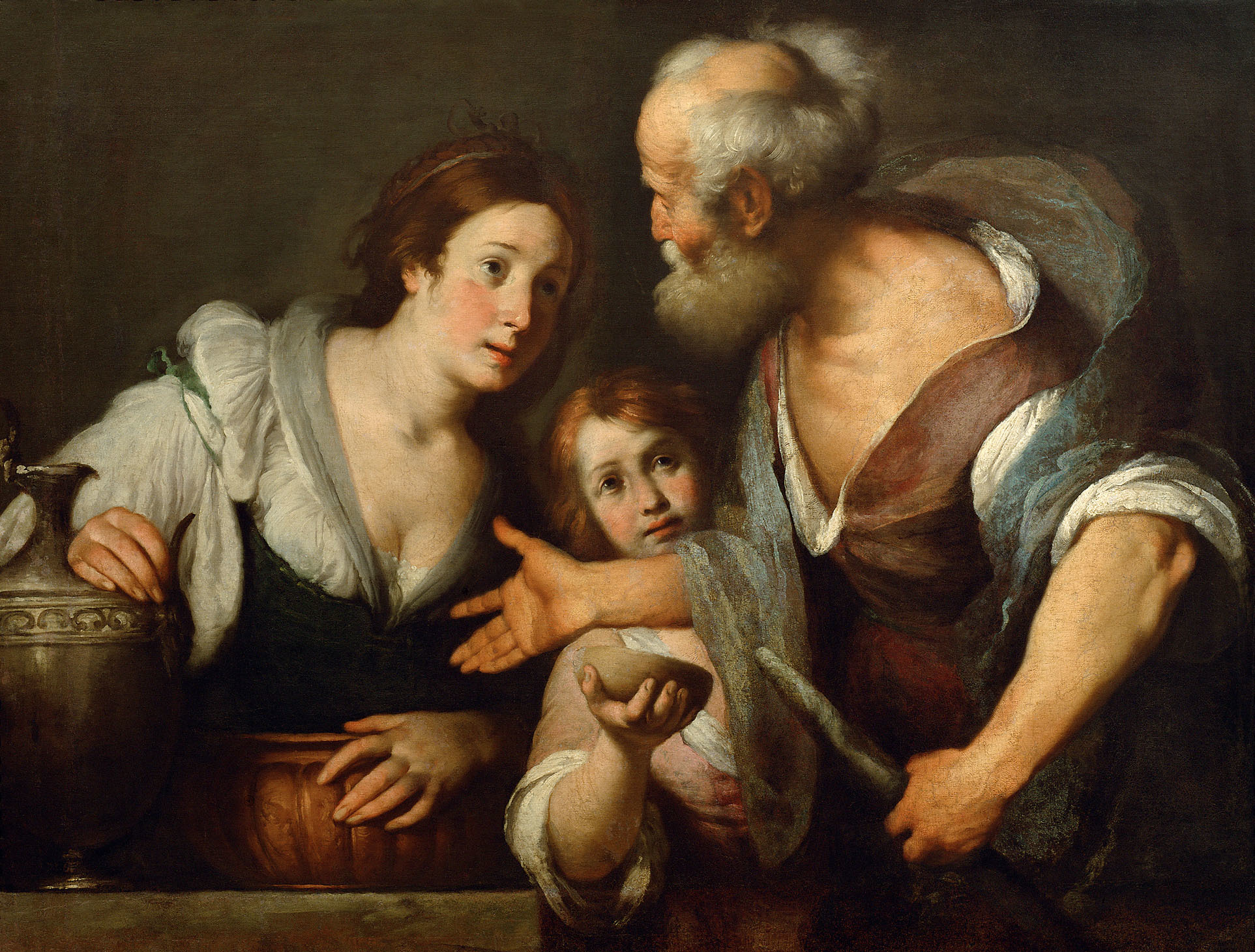
Elijah has just come off the brook Cherith. It dried up because there was no rain, God’s doing because Ahab had married a woman from Sidon and Israel was bowing to her god. But her god couldn’t make it rain. So now the Word of the LORD sends the prophet where? To Sidon. To a widow. Not to the queen mother.
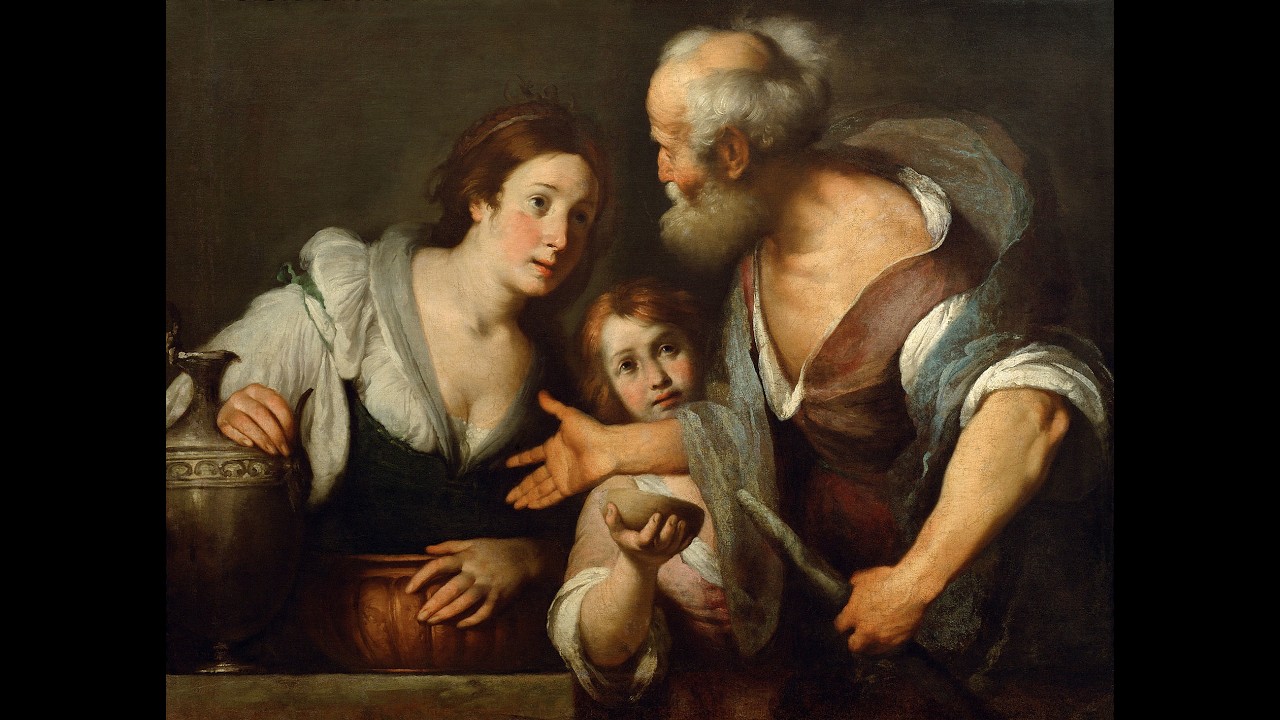
She is at the gate gathering two sticks. He asks her for water. She goes. He calls after her again: bring me a morsel of bread too. She stops and tells him the truth. You heard it. A handful of flour. A little oil in a jar. One boy. One meal. We eat, and then we die.
She’s not a pessimist. She is not greedy. She has done the math. She’s what we call a realist. So her response to the prophet is not a complaint. That’s a pre-planned death.
But maybe you know that kind of thinking. People worry about money more than anything else. You’ve sat at the kitchen table — it used to be with the checkbook, now it’s the bank app on your phone — wondering how the balance got so low, and whether you’ll make it to the 15th, or to the end of the month. The property tax. The insurance letter that came in August. The tuition. What the milk check does and does not cover. And this congregation has done her own version of that math. What’s in the bin? What’s in the jar? How many sticks? How many years? What else can you do but eat it and die? Most of the time that’s what we are: gathering sticks, waiting to die.
Now hear what the woman called Elijah. “As the LORD your God lives.” Your God. Elijah’s God. Not the queen mother’s god. She even swears by Him. But He is not yet hers. What’s left of her god is in the bin and the jar. A handful of flour and a little oil. That’s what she counts, and that’s what she trusts to get her through today, and maybe tomorrow. Maybe. And then we die.
Jesus has a Word for that kind of thinking. “You cannot serve God and mammon” (Matt. 6:24). Mammon is not a word for rich people. The word means what you trust in. And even a handful will do — a mere handful, just a drop at the bottom of a jar. You can trust in a little. A little bin with a little flour at the bottom is as much a god to us as a barn full of grain. Mammon is whatever you look to when you’re afraid. The pension. The enrollment number. The offering total. The little you have, that’s your comfort, and then that becomes your god.
And a god like that gives you what she got: a last meal and a plan to die. Jesus said of that sort of thinking, “O you of little faith” (Matt. 6:30). Every worry you carried in here this morning is a confession. It says your God is Elijah’s God, the pastor’s God, your grandmother’s God — and what’s your god is at the bottom of the bin.
That’s the way the Law reveals our sin. It accuses and stings. It shows us our idolatry, our false gods. But now hear what happened before she ever picked up a stick to die. The LORD said to Elijah, “Arise, go to Zarephath, which belongs to Sidon, and dwell there. See, I have commanded a widow there to provide for you.” (1 Kings 17:9)
You catch that? God had already commanded her, before she ever knew it. And God had already decided His Word was going to her gate. Jesus said so in Nazareth, and when He pointed it out they tried to throw Him off a cliff for it: “to none of them was Elijah sent except to Zarephath, in the region of Sidon, to a woman who was a widow” (Luke 4:26). The Word goes to the ones who’ve done the math with their gods and come up with only death.
And the first word out of the prophet’s mouth is not “give.” It’s “do not fear” (1 Kings 17:13). He is an angel to her. The same thing Jesus says. He says it before she has done a thing for him. Then Elijah says, “Go and do as you have said, but make me a small cake from it first, and bring it to me; and afterward make some for yourself and your son.” (1 Kings 17:13)
First. Make me one first. Now, God is not hungry. But listen to why. “For thus says the LORD God of Israel: ‘The bin of flour shall not be used up, nor shall the jar of oil run dry, until the day the LORD sends rain on the earth.’” (1 Kings 17:14)
The cake goes to the prophet first because the promise is in the prophet’s mouth. The flour won’t last because she was generous. It’s going to last because the LORD said so. Feed the Word first, and the Word feeds you.
This is what Jesus means when He said, “Seek first the kingdom of God and His righteousness, and all these things shall be added to you” (Matt. 6:33). First is not a ranking — God at the top, the tuition further down the list. No, that’s not what it is. First is the widow’s small cake. Before you count what’s left, before you even contemplate dining: the Word. Listen to Jesus. The promise is the one thing in the story that doesn’t run out. That’s where the trust is put.
“So she went away and did according to the word of Elijah; and she and he and her household ate for many days” (1 Kings 17:15).
She and he and her household ate. Now that’s faith! Faith is a woman who heard a promise, went in, and baked. And the next morning went to the bin, and there was flour. And the next. And the day after that. Not a year’s worth all at once. A day’s worth. Like the manna. “Sufficient for the day is its own trouble” (Matt. 6:34). Give us this day our daily bread. He promised her enough for today, and He promised her breakfast tomorrow.
What a beautiful story. So where is Christ in all of this? Is this story for you, too? Is the promise Elijah made to that woman your promise? Yes. He is the One who came hungry to your gate. He is the prophet who came to Sidon. God’s Word in the flesh, sent outside the covenant, to the ones with only a handful. He went forty days and forty nights without bread. And at the end He did what the widow was about to do. He went out with wood on His back to make one last meal — His last will and testament. And His was not the meal where you eat and then you die. That’s earthly food. His is the meal where He died, and you get to eat forever.
“Seek first the kingdom of God and His righteousness” — and there is His righteousness for you. The flour that doesn’t run out. The jar of oil that is never spent. Every week you come to this gate with only a handful, with a week’s worth of worry and sin. And every week He says, like the prophet, do not fear. Do not fear. And He gives you what He has: forgiveness that has never once run dry. You are the widow. He is the bread. You will not go hungry — not in this house.
So, she and he and her household ate. Her household. We know about the son, but were there others? Her household, fed from one bin, one jar, one table, for many days. As we heard from St. Paul, “as we have opportunity, let us do good to all, especially to those who are of the household of faith” (Gal. 6:10). This congregation and her day school are one household. One bin and one jar. One budget. In an hour, the teachers, the parents, the old farmers, the retirees, and the kindergartners will all be in the same line for the same food. And nobody there is going to ask whose flour it is, or whether there is enough, or where the oil came from, or whether it’s going to run dry. Don’t worry — there’s plenty of coffee.
“Bear one another’s burdens, and so fulfill the law of Christ” (Gal. 6:2). Bear one another’s burdens, day after day. The widow didn’t have a plan for many days. She didn’t know how long it would last. She didn’t hold to a five-year strategic plan — or a one-year, or even a one-day plan — to eat, drink, and be merry. All she had was a promise, and she had one more morning, and she baked. Not a plan to save the church. Not a plan to save the school. Not a plan to save yourself. Today the LORD has commanded a widow to feed a prophet, and the widow is you, and the bin is not empty and the jar of oil — I promise you — won’t run out.
It won’t be empty tomorrow either, or the next day. Not because you counted right. Because He said so, because of His promise. And so the widow is an example to us of what faith in the promise looks like.
So go, and eat. “What shall we eat? What shall we drink?” He knows you need these things. He has known since before you gathered the first stick. Instead, seek first His kingdom and His righteousness. And it is here, in this divine service, at this altar, for you. And all these things — the food on the tables, the school year — will be added to you. That is His promise!
Rev. Christopher R. Gillespie
St. John Ev. Lutheran Church & School — Sherman Center
Random Lake, Wisconsin