“The freedom no country can give you” Trinity 5 2026

Beneath all our Fourth-of-July talk of freedom lies a deeper freedom no fireworks can give and no tyrant can take away. Out on the open sea Simon Peter thought himself free — his own boat, his own water, his own catch, answerable to no one — and pulled up empty nets all night long. Then Christ climbs uninvited into the boat, the nets tear with the catch, and Peter falls down terrified: “Depart from me, for I am a sinful man.” The Lord does the one thing the open sea never can: He does not depart, but catches the sinner alive — “Do not be afraid. From now on you will catch men.”

“Clouds Without Water” Friday of Trinity 4 (observed) 2026

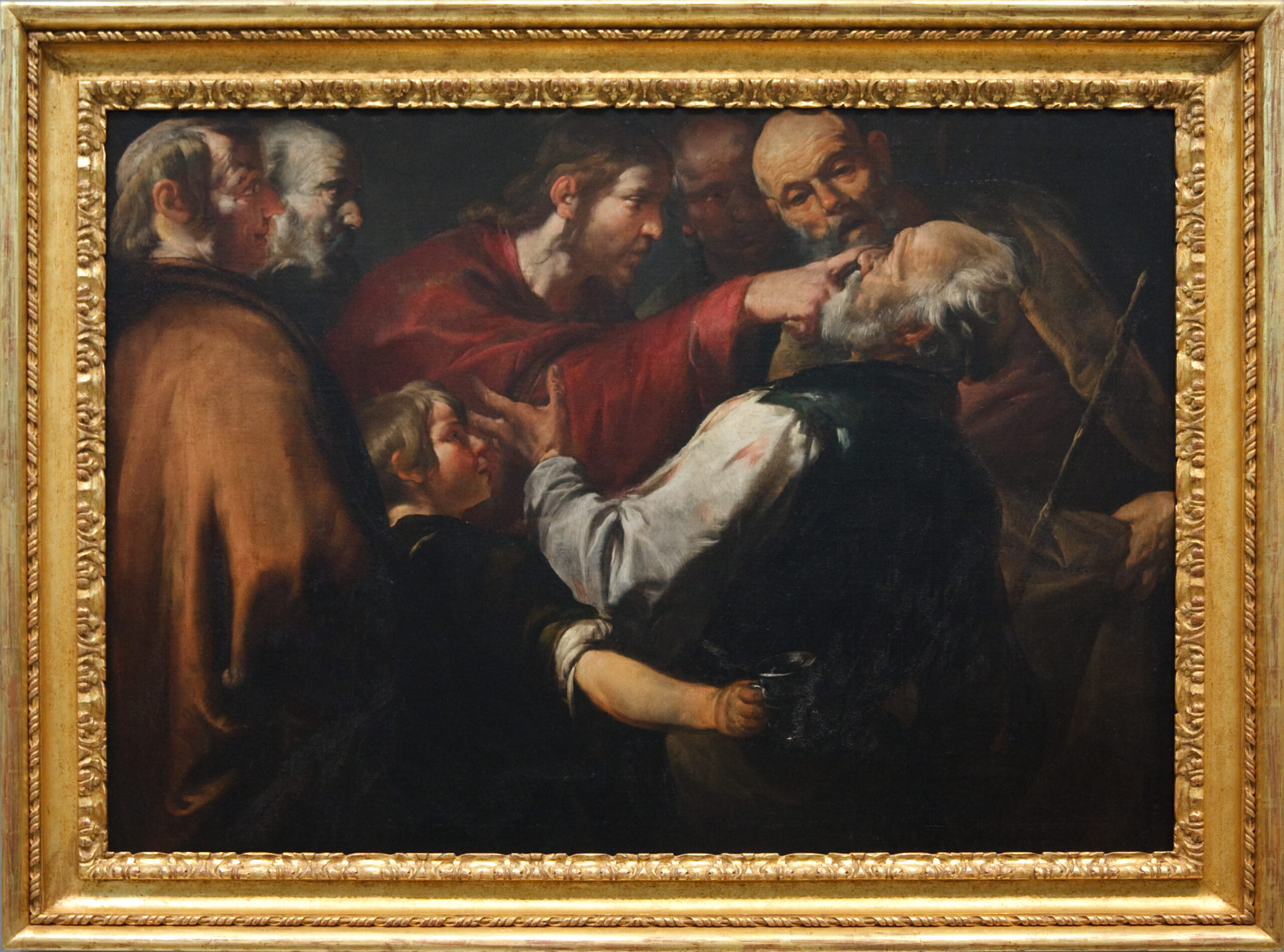
St. Jude will not let us grow comfortable: the Lord saved a people out of Egypt and then destroyed those who would not believe. Faith can die, and a baptized man can become a cloud without water — all the look of a Christian with no rain in him. But the same Lord who judged the unbelieving in the wilderness comes down the mountain to a demon-tormented boy and a father who can barely pray, and He is faithful where our faith is little. Our safety is not the strength of our grip on Christ but His grip on us.

“The Teacher Who Is Mercy Itself” Trinity 4 2026

You have been somebody’s disciple since the day you were born, and Jesus warns that you never rise above your teacher — given enough time, you simply become him. The world is a blind guide that trains us to judge first and forgive slowly, and we have become blind guides ourselves, reaching for the speck in a brother’s eye with a plank in our own. But there is another Teacher: Jesus is the Father’s mercy in the flesh, who takes our score-keeping heart to the cross and trains us in Baptism, Word, Absolution, and the Supper until we begin to look like Him.

“Cursed on the tree so the barren tree could live.” Friday of Trinity 3 (observed) 2026

A fig tree in full leaf promises fruit and has none; Jesus walks from the cursed tree into a temple just as green—crowded and busy but turned from a house of prayer into a market. James names it a third time: a church that seats the poor man at the footstool. All leaves, no figs—the dead faith even the demons have. But the cure is not “grow your figs or be cursed too.” The Lord of glory is hanged on a tree and made a curse in the barren tree’s place; He becomes the poor man in the filthy clothes so the poor man can be seated in glory, and He is Himself the new house of prayer where you are welcomed and fed. Living faith receives Him, and the figs follow—not to be saved, but because the tree is alive.

“He isn’t using a club. It is a broom. He’s sweeping you home.” Trinity 3 2026

The religious men accused Jesus—“This Man receives sinners and eats with them”—and He took it up as His glory, answering with the lost sheep and the lost coin. The affliction that sweeps through your life is not a club driving you out but a broom sweeping you home: His pursuit, not your punishment. He lights the lamp of His Word, finds the worn coin that still bears His image, lays the sheep on His own shoulders rejoicing, and carries you to the rail. You came in a lost coin; you go out treasure in the King’s own hand.

“There’s Always More Where That Came From” Friday of Trinity 2 (observed) 2026

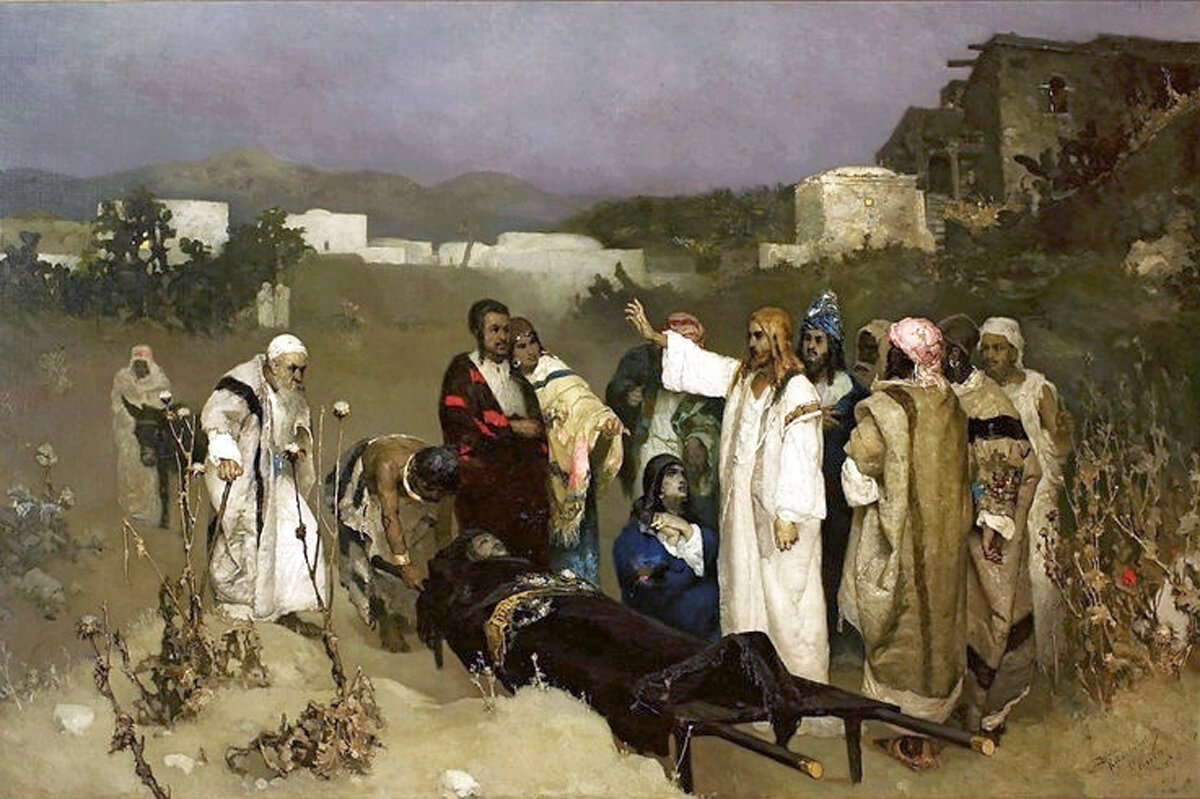
For twelve years she had been unclean — exiled from the assembly, emptied by physicians who took everything and healed nothing. So she comes to steal a cure from the fringe of Jesus’ garment, certain God’s mercy runs out like everything else has. But His power goes out from Him and nothing is subtracted: she came to take a cure and leaves a daughter. There is always more where that came from.

“Blessed are you who eats bread in the Kingdom of God now!” Trinity 2 2026

A man sitting next to Jesus says it will be blessed to eat bread in the kingdom of God — someday. Jesus answers with a supper that is ready now. Three guests excuse themselves with fields, oxen, and a wife; where the fear of God dies, the Giver is ranked below His gifts, and the feast goes untasted. The master throws the doors wider and fills the hall with the poor, the maimed, the lame, and the blind — those with empty hands and no reason to refuse. Come, for all things are now ready.

“A mustard seed faith in the Lord of heaven and earth moves mulberry trees”

Jesus warns that offenses are inevitable, and the worth of a single soul makes leading one of His little ones to fall worse than drowning. Yet He commands forgiveness seven times a day — a demand that drives the disciples to cry, “Lord, increase our faith.” The answer is not a bigger faith but a faith fixed on the right object: a mustard seed will do, because the power belongs to the Lord of heaven and earth, not to the one believing. Even when every duty is done we remain unprofitable servants, standing not on our works but on our Master — who girds Himself and serves His own at the Supper.

“The age to come arriving in this age, located, given out” Wednesday of Holy Trinity 2026

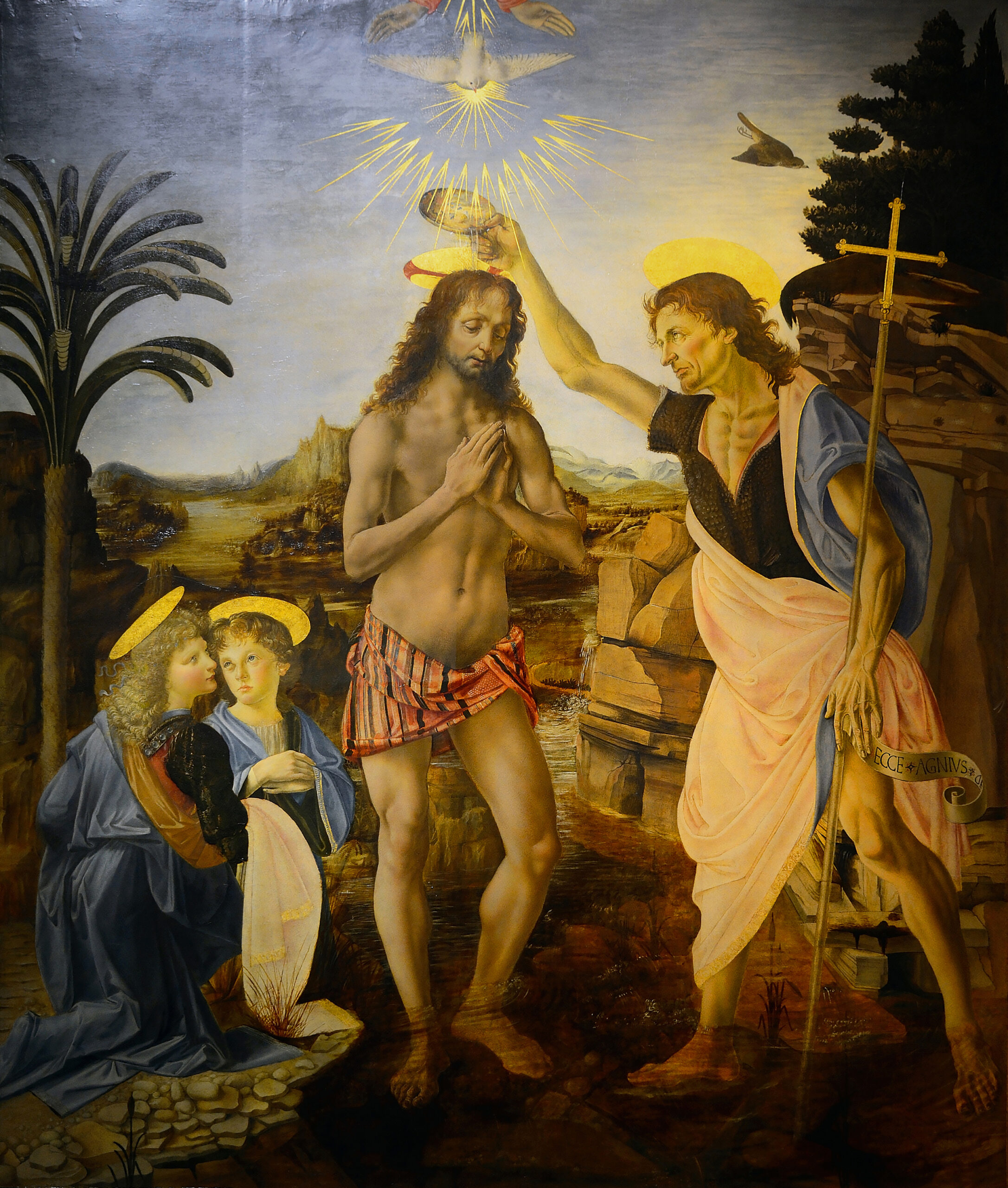
You went into that water still carrying the old premise — still asking what resurrection could possibly mean, still uncertain whether the age to come is anything more than this age with the dying removed. And you came out having been given something you did not generate, extra nos, outside yourself, from the One whose Name was spoken over you.