Jeremiah: Chapter 2 — Bible Study, June 7, 2026
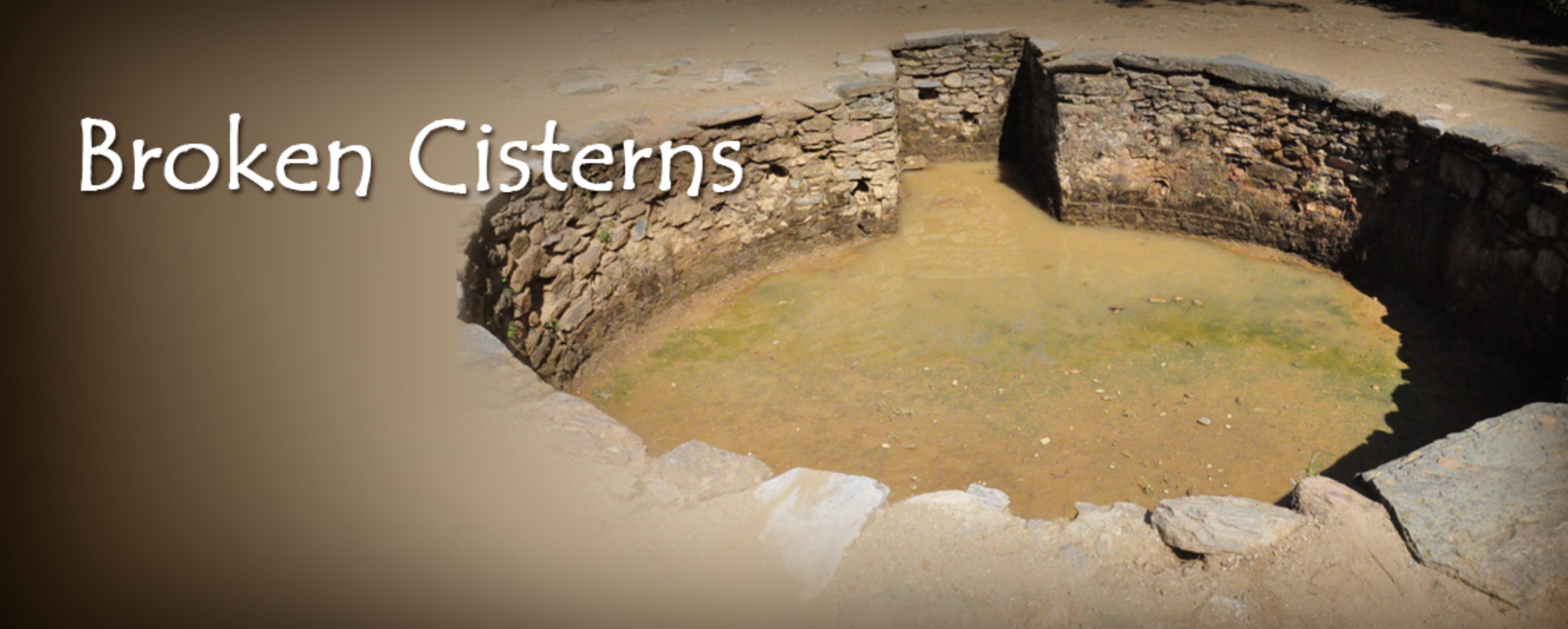
“For My people have committed two evils: they have forsaken Me, the fountain of living waters, and hewn themselves cisterns — broken cisterns that can hold no water.” (Jer. 2:13)
A new Sunday Bible study series begins in Jeremiah. Chapter 1 opens with the prophet’s call, the LORD’s promise that “I am with you to deliver you,” and the twin visions of the almond branch and the boiling pot.
Your kid bullied another kid. You said, “Tell him you’re sorry.” You taught him penance, not repentance. Penance trusts the child’s willpower. Repentance kills the old child and raises a new one. New blog: how parents and teachers preach the Gospel in real time.
Thesis 27: “Actually one should call the work of Christ an acting work (operans) and our work an accomplished work (operatum), and thus an accomplished work pleasing to God by the grace of the acting work.”
Thesis 28: “The love of God does not find, but creates, that which is pleasing to it. The love of man comes into being through that which is pleasing to it.”
Thesis 25: “He is not righteous who does much, but he who, without work, believes much in Christ.”
Thesis 26: “The law says, ‘do this’, and it is never done. Grace says, ‘believe in this’, and everything is already done.”
Paul’s charge to Timothy exposes the fundamental choice: trust the uncertainty of riches, or trust the God who richly provides. Christ doesn’t offer budgeting tips—He offers true life. The kingdom of heaven is the priceless treasure for which you sell everything else.
Thesis 23: “The law works the wrath of God, kills, reviles, accuses, judges, and condemns everything that is not in Christ.”
Thesis 24: “Yet that wisdom is not of itself evil, nor is the law to be evaded; but without the theology of the cross a person misuses the best things in the worst way.”
Christian speech follows the same shape: words grounded in what God has done and what God has promised. Some of those words are mercy. Some are warning. You need both to talk like Jesus.
Thesis 22: “The wisdom which sees the invisible things of God in works as understood by human beings is puffed up, blinded, and hardened.”