Jeremiah Chapters 11–12

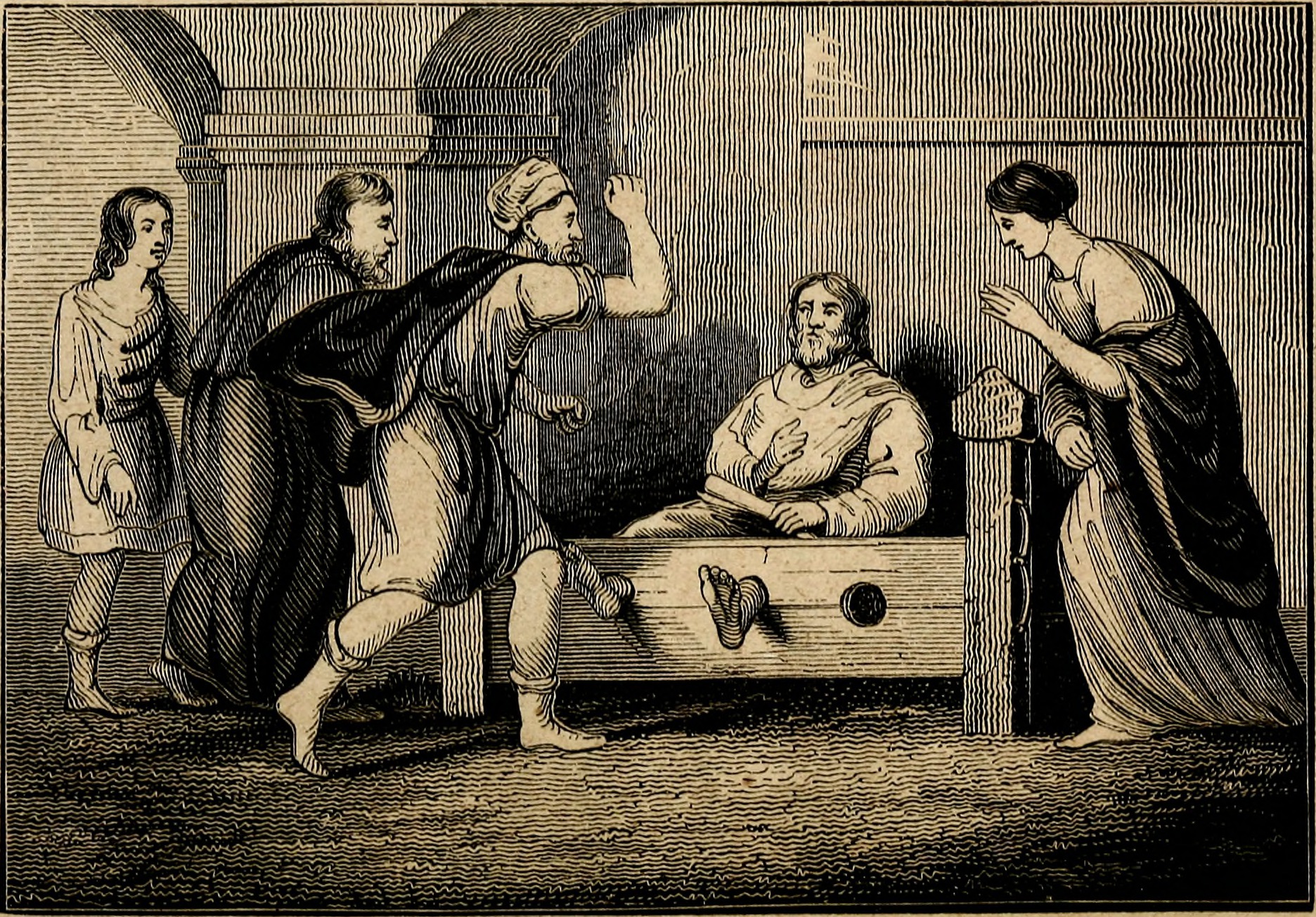
This week the preacher becomes the sufferer. Jeremiah announces the covenant curse (Jer. 11:3) and then learns that the men of his own hometown have marked him for death (Jer. 11:21). Three handings-over run through these chapters: Judah handed over to the curse she chose, Jeremiah handed over like a docile lamb brought to the slaughter (Jer. 11:19), and God’s own dearly beloved of My soul handed over into enemy hands (Jer. 12:7). When Jeremiah asks the oldest question, why do the wicked prosper, the answer isn’t information. It’s a warning that the running gets harder, from the God who has run it Himself.

Jeremiah Chapter 10

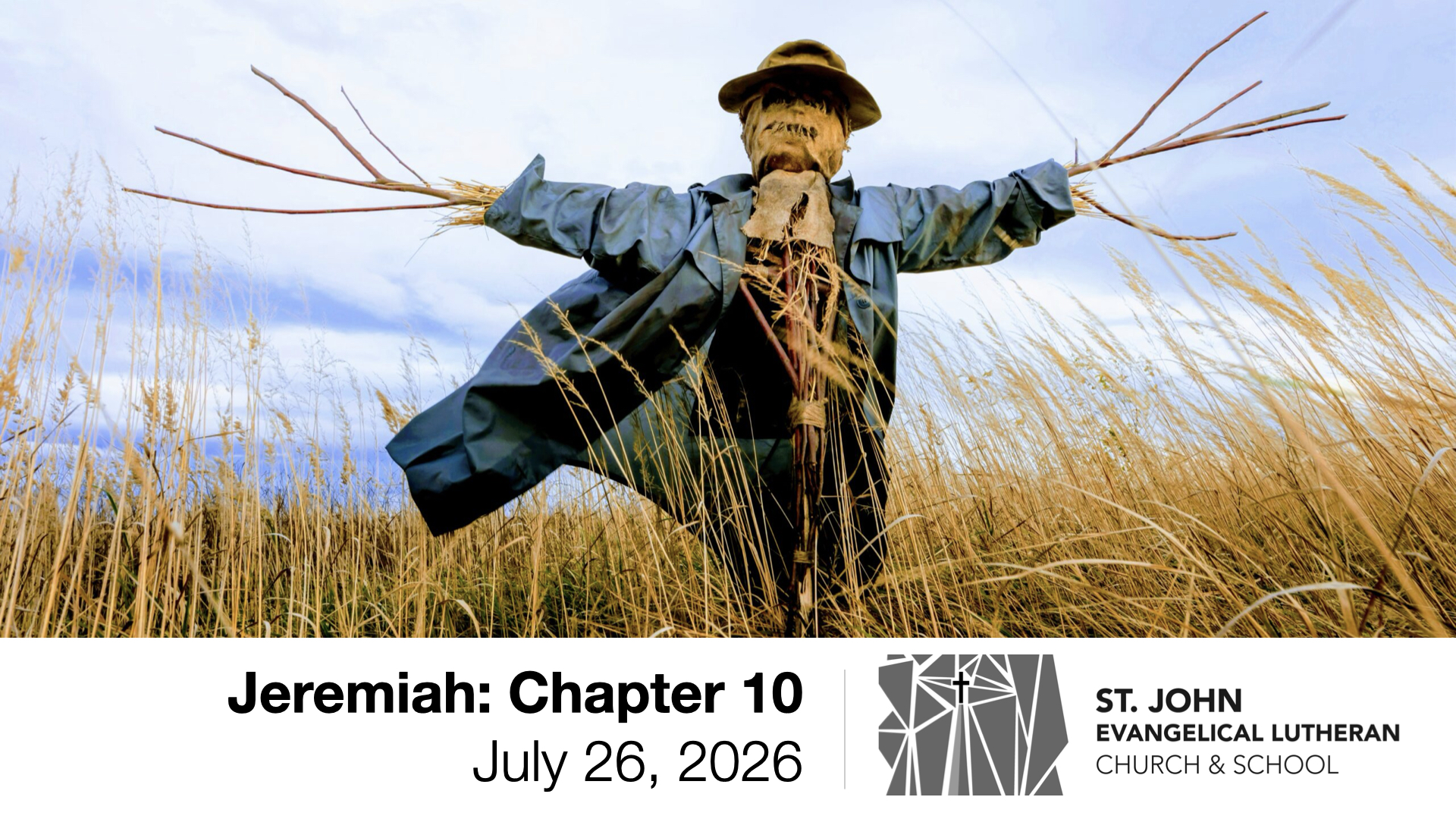
This week’s class takes up Jeremiah 10, the prophet’s longest satire on idols: a god cut from a tree, dressed in silver, nailed down so it will not topple (Jer. 10:4), a scarecrow in a cucumber field, carried because it cannot walk. Over against it stands the true God, the living God and the everlasting King (Jer. 10:10), who needs no carrying but carries His people (Isa. 46:3–7). Which direction the carrying runs is the whole difference between idolatry and the Gospel.

Jeremiah Chapter 9

This week’s class takes up Jeremiah 9, where the prophet names the root sickness twice — **”they do not know Me”** (Jer. 9:3, 9:6) — and hands us the one boast that survives it: **”that he understands and knows Me”** (Jer. 9:24). Paul later routes the whole Gospel through that verse: no flesh may boast, unless it boasts in the Lord (1 Cor. 1:31).

Jeremiah Chapter 8

Jeremiah 8 is a chapter of missed chances. Judah will not turn back — the stork in the sky knows her seasons, but God’s people do not know the time of the LORD’s judgment — and the prophets cry ‘Peace, peace’ where there is no peace. ‘The harvest is past, the summer is ended, and we are not saved.’ And then the ache that gives the chapter its name: ‘Is there no balm in Gilead? Is there no physician there?’ — a question the whole Gospel rises up to answer.

Jeremiah Chapter 7 Bible Study — July 5, 2026

This Sunday Jeremiah stands in the gate of the temple and preaches against the one thing Judah trusted most — the building itself. “The temple of the LORD, the temple of the LORD,” they chanted, certain God would never let His own house fall, even while they stole, murdered, and burned incense to Baal. But the house is no shelter for the people who profane it. The Lord names what it has become — a den of robbers — the very words Jesus would carry into that same temple, overturning the tables and driving out those who had made His Father’s house a market.

Jeremiah: Chapter 3 — Bible Study, June 14, 2026

In Jeremiah 3:1–4:4, the Lord does the legally impossible: He calls back the wife the Law itself would bar from return. Yet mercy overrules statute — “Return, backsliding Israel,” He says, “I am merciful.” The one condition He names is not penance or probation but honest confession: “Only acknowledge your iniquity.” The same road the prodigal walked home runs through Jeremiah 3, and the same Father runs to meet us.