Bible Study: Ezekiel 48 — February 25, 2024
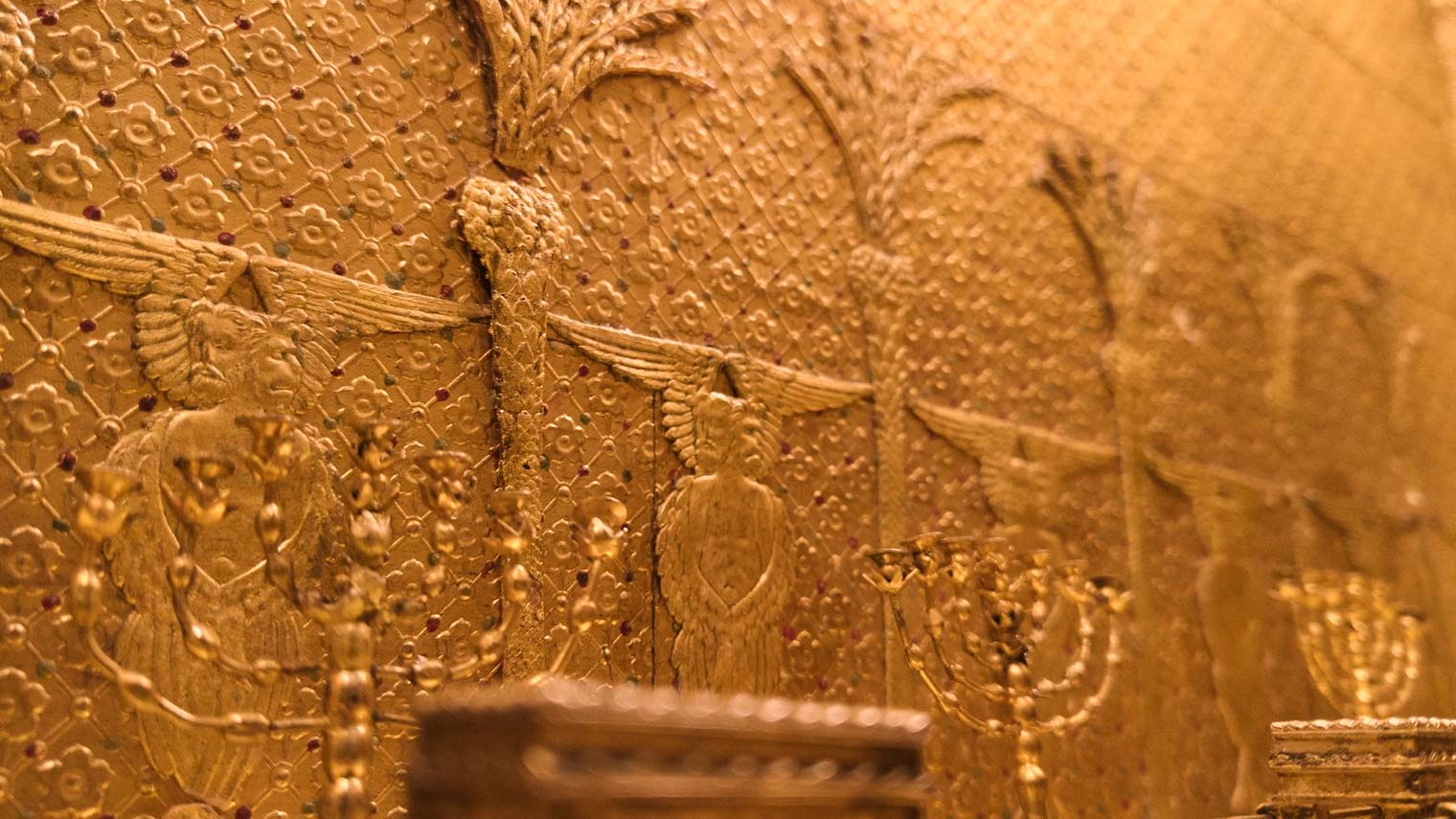
All this means that we enter His temple preeminently in worship, where he is spiritually and sacramentally present. And as the “Jerusalem above” (Ps 137:6; Gal 4:26) descends upon the pilgrim city below, momentarily erasing the boundaries of space and time, we participate in, but also empirically look forward to, the Day when the last enemy will have been destroyed (1 Cor 15:26,54), and we, with all the saints in glory already, will forever be “there,” where Yahweh is. “Amen. Come, Lord Jesus!” (Rev 22:20).
Bible Study: Ezekiel 47:1-12 — February 11, 2024

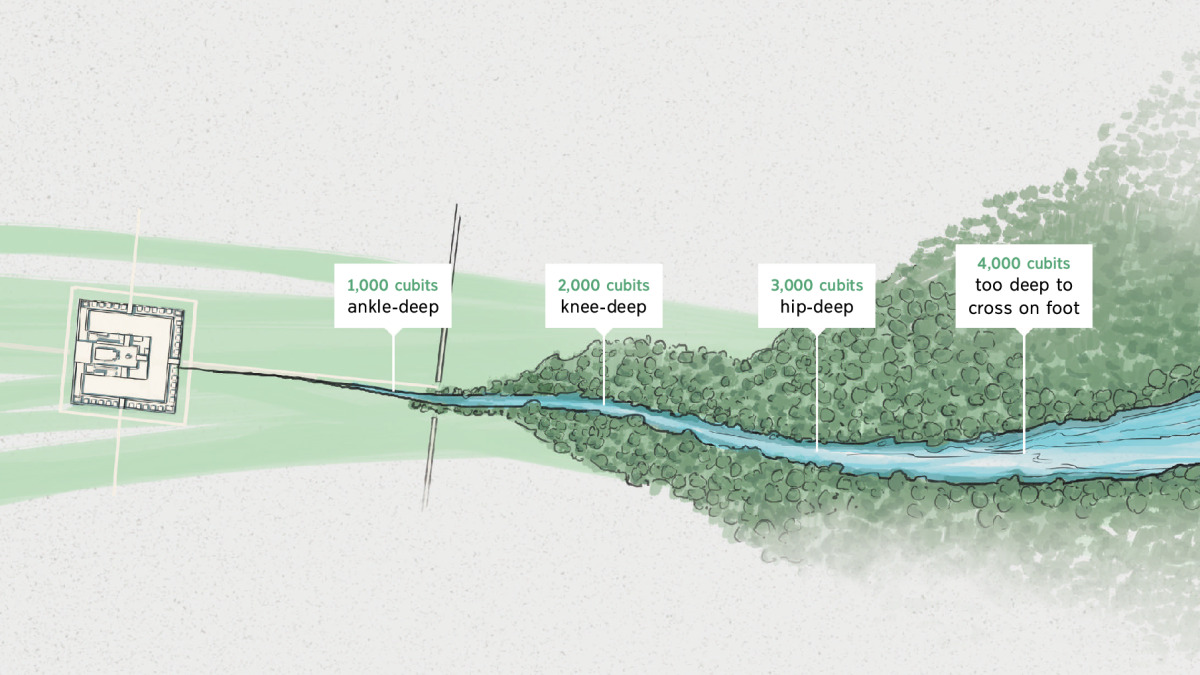
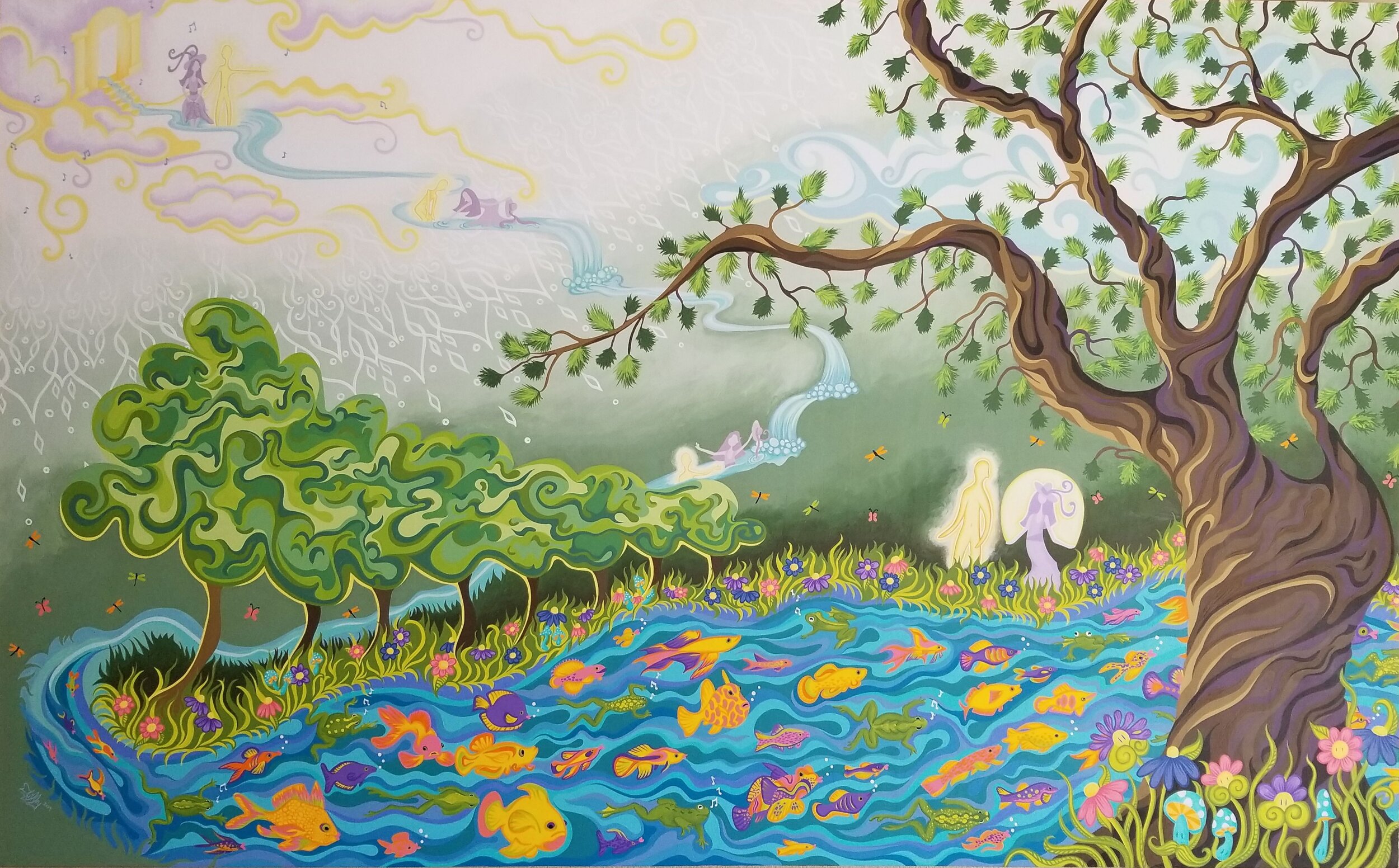
The indwelling of the Glory of Yahweh in the temple was necessary for the life-giving water to flow from the temple, and that indwelling points to the incarnation of Christ, “in whom all the fullness of the Deity dwells bodily” (Col 2:9). The water flows past the altar because the sacrificial atonement by Christ was necessary for the new life brought by the river to come to the dead and barren creation. The river is a prefiguration of Christian Baptism, following the LXX “water of forgiveness.” The same word for brook or stream can be translated as “release” and is used in the NT for forgiveness or remission of a debt, as in the Words of Institution and Baptism proclamation.

Bible Study: Ezekiel 46:19ff — February 4, 2024

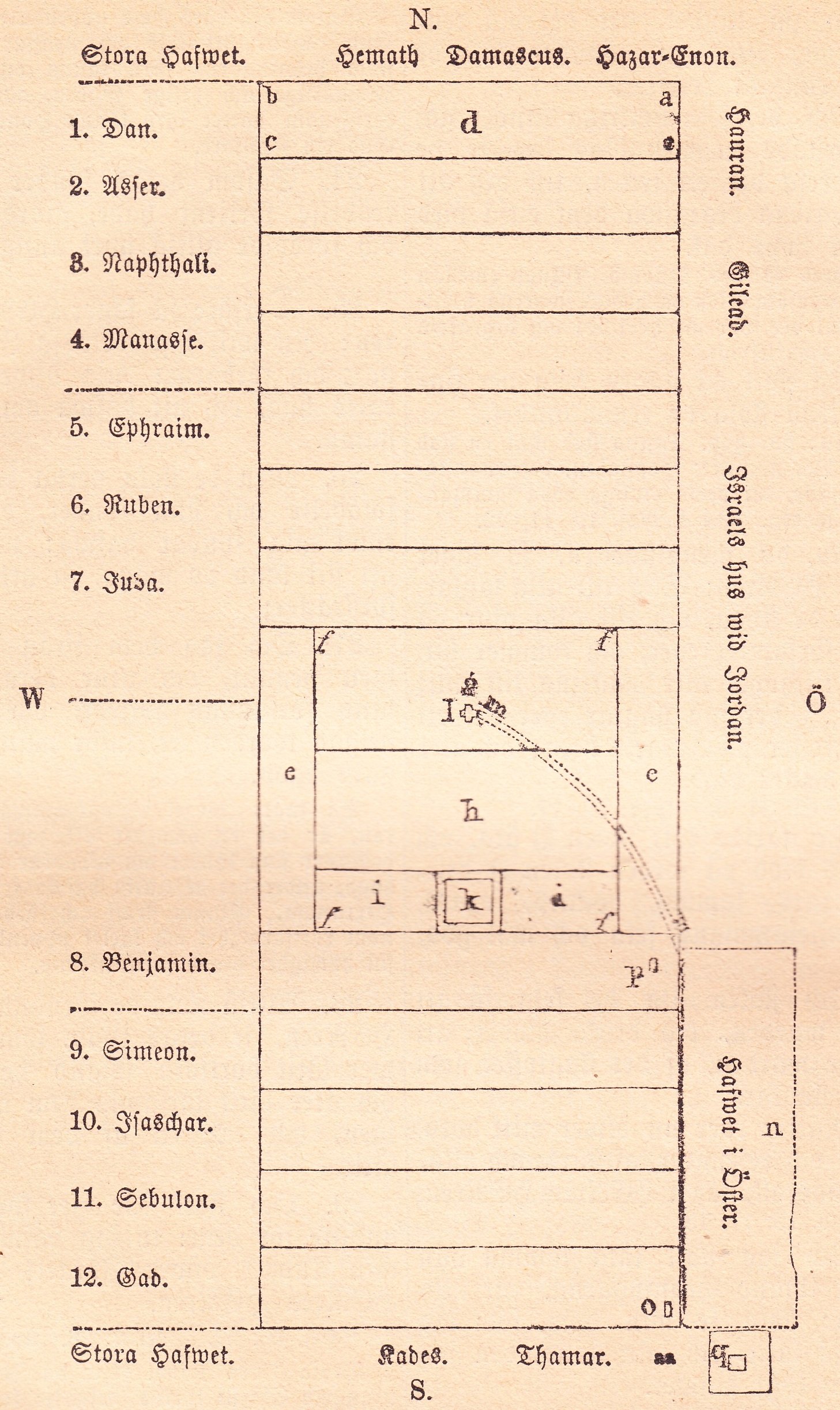
All the rest of the book is a vision of the new land, confirming that 40-48 has been otherworldly and eschatological. The vision shown by Ezekiel is nothing that could be implemented by Ezekiel’s fellow Israelites after the exile, nor could it be implemented by Christians during the millennial reign of Christ on this earth. Only God Himself can bring about the rejuvenation of the land to a new Eden, as He promised to do after the return of Jesus Christ (Revelation 21–22). Ezekiel 47-48 depicts the new heavens and new earth in which all God’s redeemed believers will dwell for eternity. See also Romans 8:10-23 which promises that after the return of Christ, all believers will be raised bodily to eternal life, and even “the creation itself will be freed from its slavery to decay into the freedom of the glory of the children of God” (Rom 8:21).

Bible Study: Ezekiel 45:18ff

What is said of the Prince and the people in v. ten can be applied to Jesus Christ and the Christian church. It also has application to the pastor as he leads the congregation in worship. Especially on festival days, traditional Christian worship can begin with a processional into the nave with a cross, representing the presence of Christ, which is then placed in the chancel. Usually, an Introit or entrance hymn is sung near the service’s start. During the service, Christ comes to his people through His Word and Sacraments and bestows his gifts of forgiveness, life, and everlasting salvation. After the service, the cross is carried out during a recessional. Christ goes with his people as they leave and perform their vocations during the week. He continues to abide with his people, who have been edified by God’s Word and fed in the Holy Supper. In that way, Christ can be said to enter and leave the church with his people.

Bible Study: Ezekiel 44:28ff — January 21, 2024

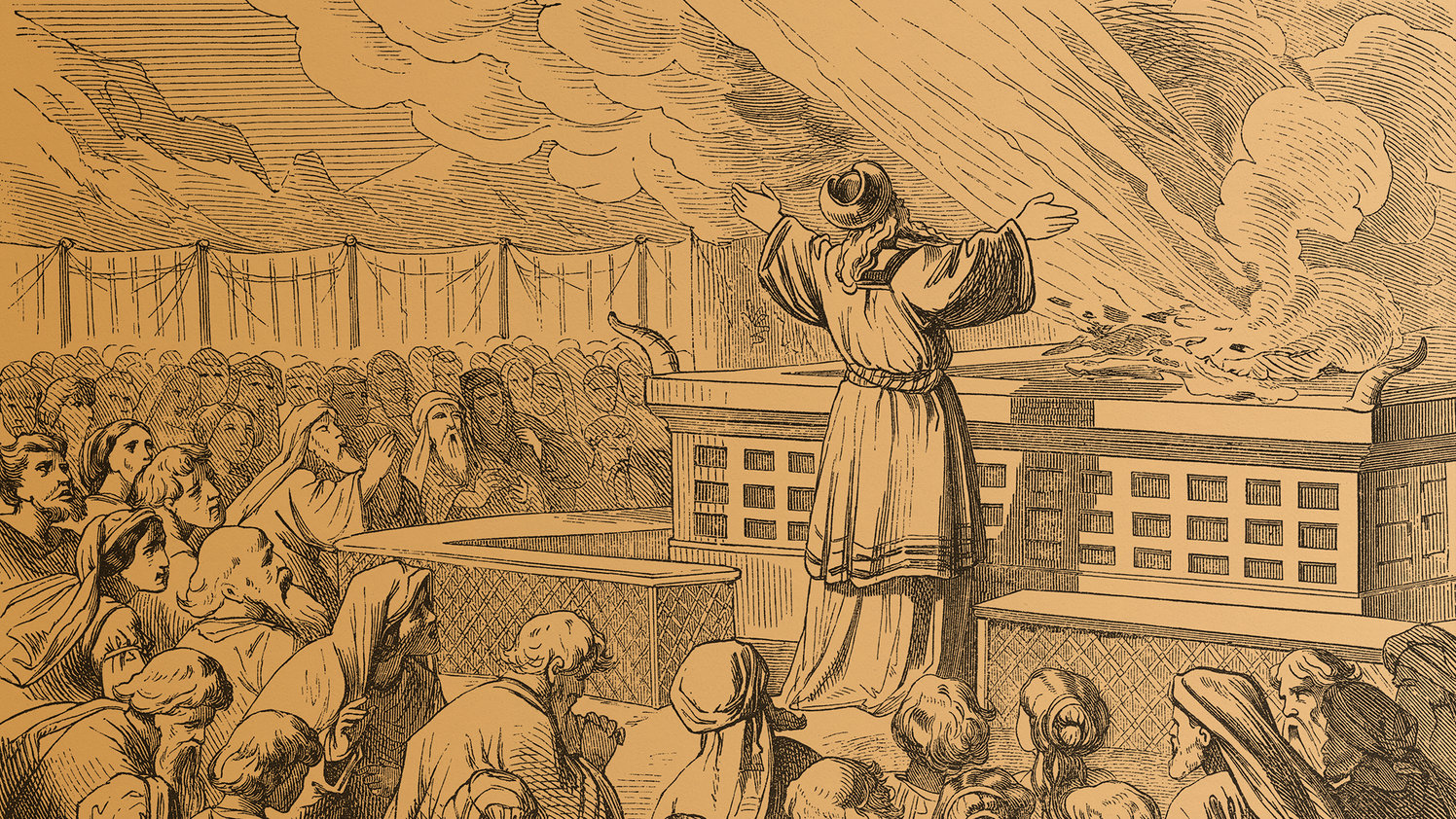
All of the five major kinds of sacrifice prescribed in the Torah (Lev 1–7), including the three mentioned here, were part of God’s overarching purpose (fulfilled in Christ): “to make atonement,” sin, and reparation offerings specifically. All the various OT sacrifices and all their specific purposes and promises are fulfilled in the perfect, all-availing sacrifice of Jesus Christ.

Bible Study: Ezekiel 44:1-9 — January 7, 2024

The NT fulfillment is also accomplished through the Sacrament of Christian Baptism, the antitype of circumcision (Col 2:11-13). Through baptismal incorporation into Christ, the division between Israelite and (Gentile) foreigner is overcome so that both, as baptized believers, may approach God in holiness as his justified children (e.g., Acts 2:38-39; Gal 3:26-29; Eph 2:11-22; 4:5). The prohibition here of access to the temple by the uncircumcised may be compared to the eschatological banishment of unbelievers from the new Jerusalem in the eternal state in Rev 22:15.

Bible Study: Ezekiel 43:13ff — December 31, 2023

“The eighth day” would be the first day of a new week. In biblical usage, this day can indicate a new creation, the start of a new era in God’s work of redemption. Thus, circumcision took place on “the eighth day” (Lev 12:3; Gen 17:-14), that is, the same day as the birth but in the next week, and circumcision marked the entrance of the infant into God’s gracious covenant and kingdom. The corresponding NT sacrament is Baptism, through which one is buried and raised with Christ so that anyone in Christ is a new creation (Rom 6:1-4; 2 Cor 5:17; Col 2:11-13). Of course, Christ’s resurrection took place on the first day of the new week (Mt 28:1), thus indicating a new era of salvation through faith in His accomplished work, and this “eighth” day, our Sunday, became the traditional “Sabbath” for Christian worship (Jn 20:19; Acts 20:7; Rev 1:10).

Bible Study: Ezekiel 43:1-12 — December 24, 2023

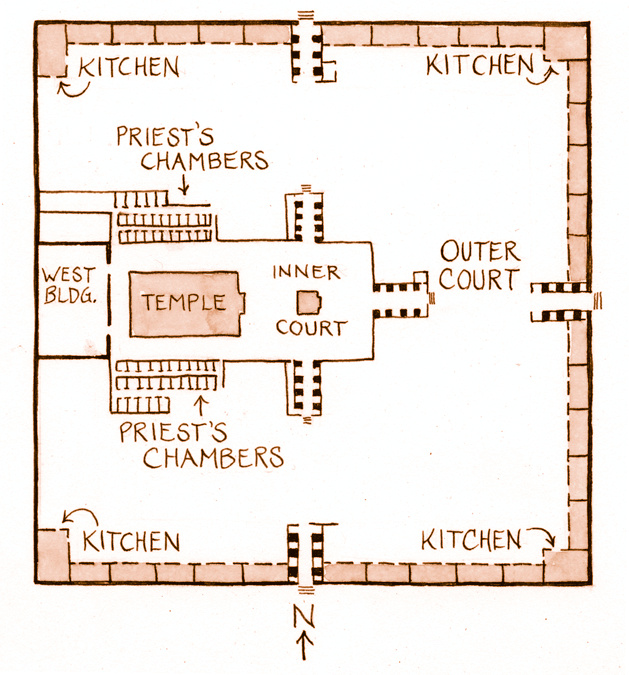
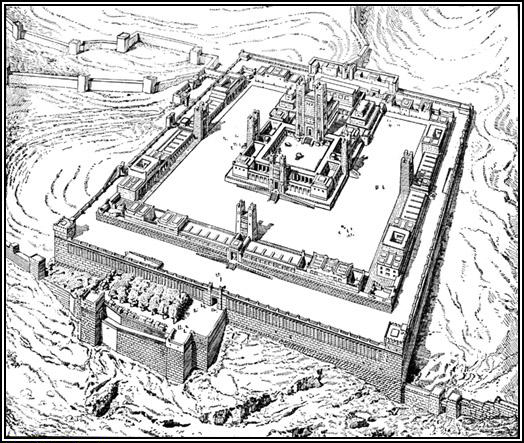
Ezekiel is commanded to “narrate, preach” the temple. In part, it connects the sanctuary’s structure with the history of salvation, of which it is a part. All its laws, including cultic ones, are subordinated to the narrative of creation and redemption, meaningful as they contribute to the proclamation and sacramental distribution of the Gospel: justification, the forgiveness of sins, and life everlasting, all furnished as God’s free gifts because of the atonement of Jesus Christ. The “backspin” is that eyes are opened to the extent that idolatrous “spirituality” had been a sacrilege. Thus, Law-Gospel preached together.