
Bible Study: Ezekiel
Bible Study: Ezekiel 41:21–43:5
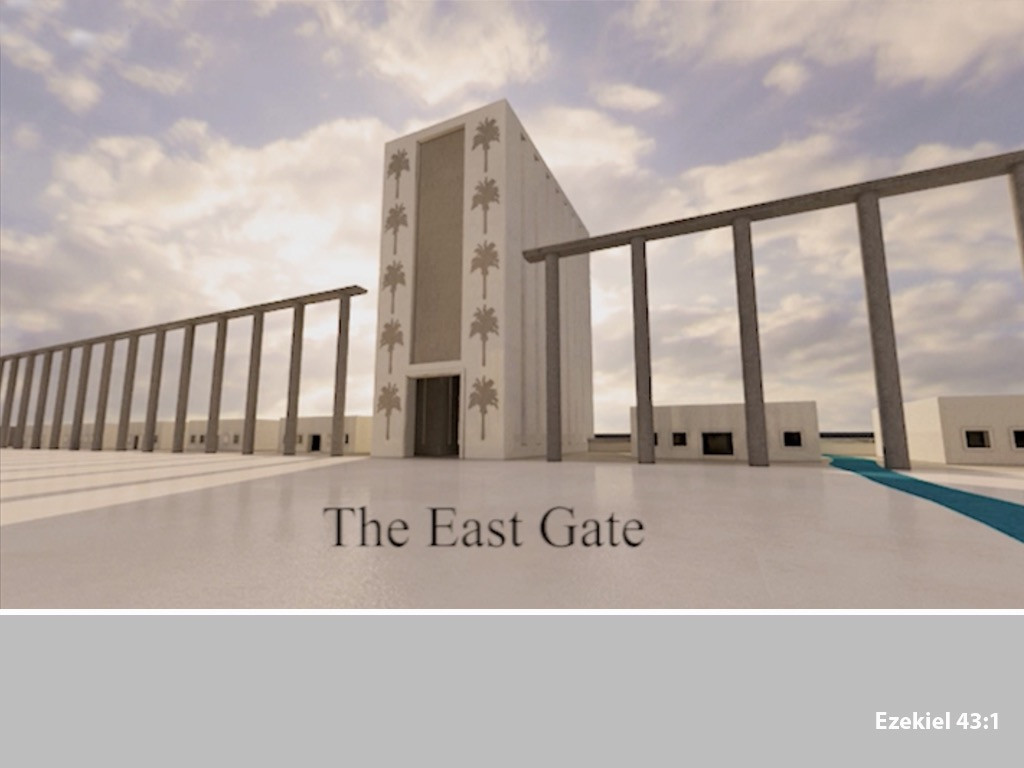
This section follows the theology that informed the Tabernacle and Solomonic temple. Most relevant texts are Ex 26:1–31:11; 36:8–39:43; and 1 Ki 6:1-38; 7:13-51. Ezekiel’s variations and omissions intensify the structures’ purpose and correct the abuses that had crept in under apostate and syncretistic kings and priests. The decorative features (cherubim, palms, etc.) suggest a “paradise restored” ambiance. Because it was God’s earthly “house” and “dwelling place,” it was the focal point of His redemptive activity until that goal was realized in Christ and then in the eschaton (Rev 21–22). It is the heart of the Gospel that in Christ that goal was reached when “the Word became flesh and tabernacles among us” (Jn 1:14), and by His life, death, and resurrection opened the gates of paradise (Mt 28:20).
Bible Study: Ezekiel 40-41:20
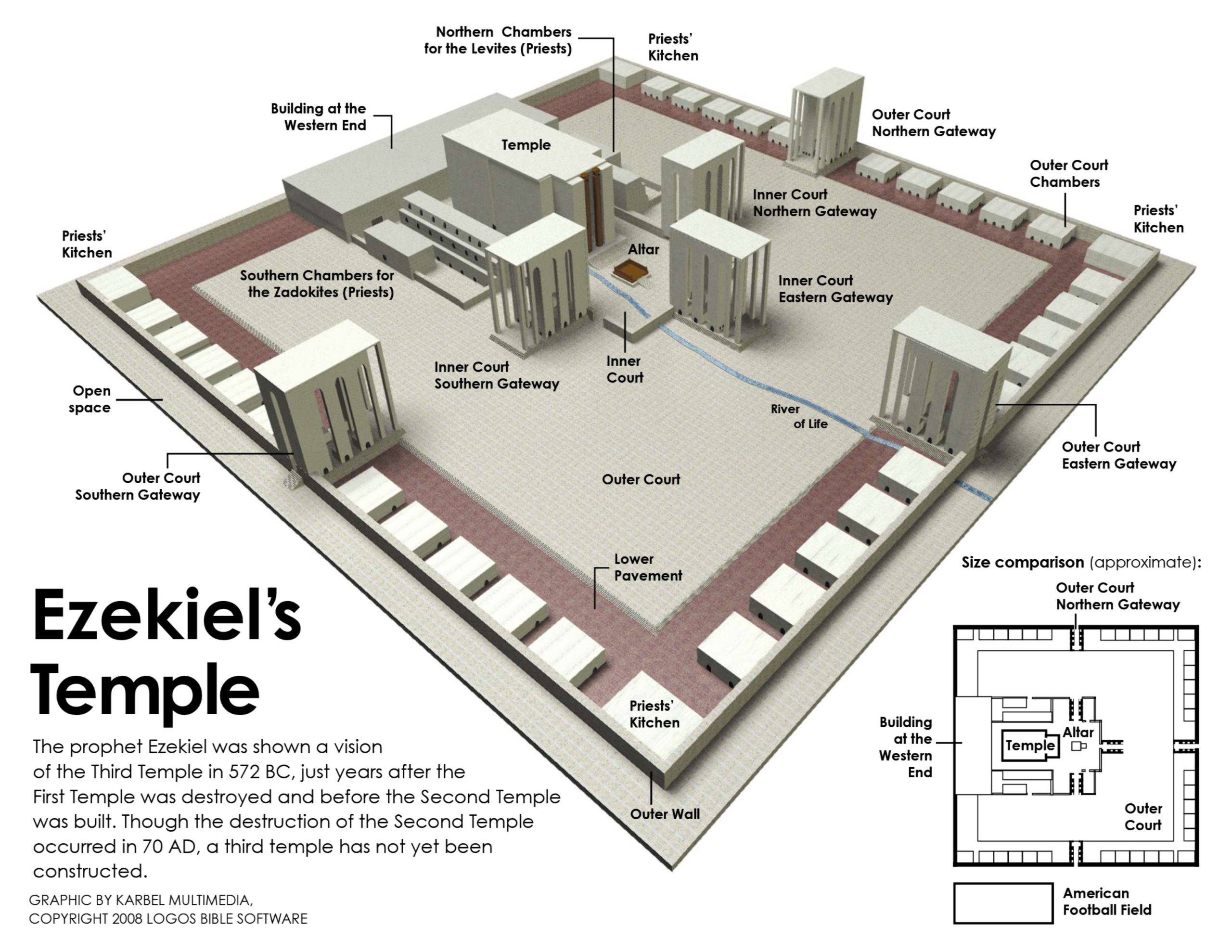
Because of the people’s sin, they forfeited “the land of Israel” during exile, but chapters 40-48 focus on an eschatological restoration. The locale is a “very high mountain,” recalling the descriptions of Sinai (Ex 19:11) or Zion (Is 4:5). The picture here is applied metaphorically and eschatologically to a place suitable for receiving a transcendent vision. Thus, the mount of Transfiguration was “a high mountain” (Mt 17:1; Mk9:2; Lk 9:28), and it was upon “a great and high mountain” that the apostle John was shown the eschatological new Jerusalem (Rev 21:10; see also Is 2:2-4; Micah 4:1-3).
Bible Study: Ezekiel 40-48 Introduction
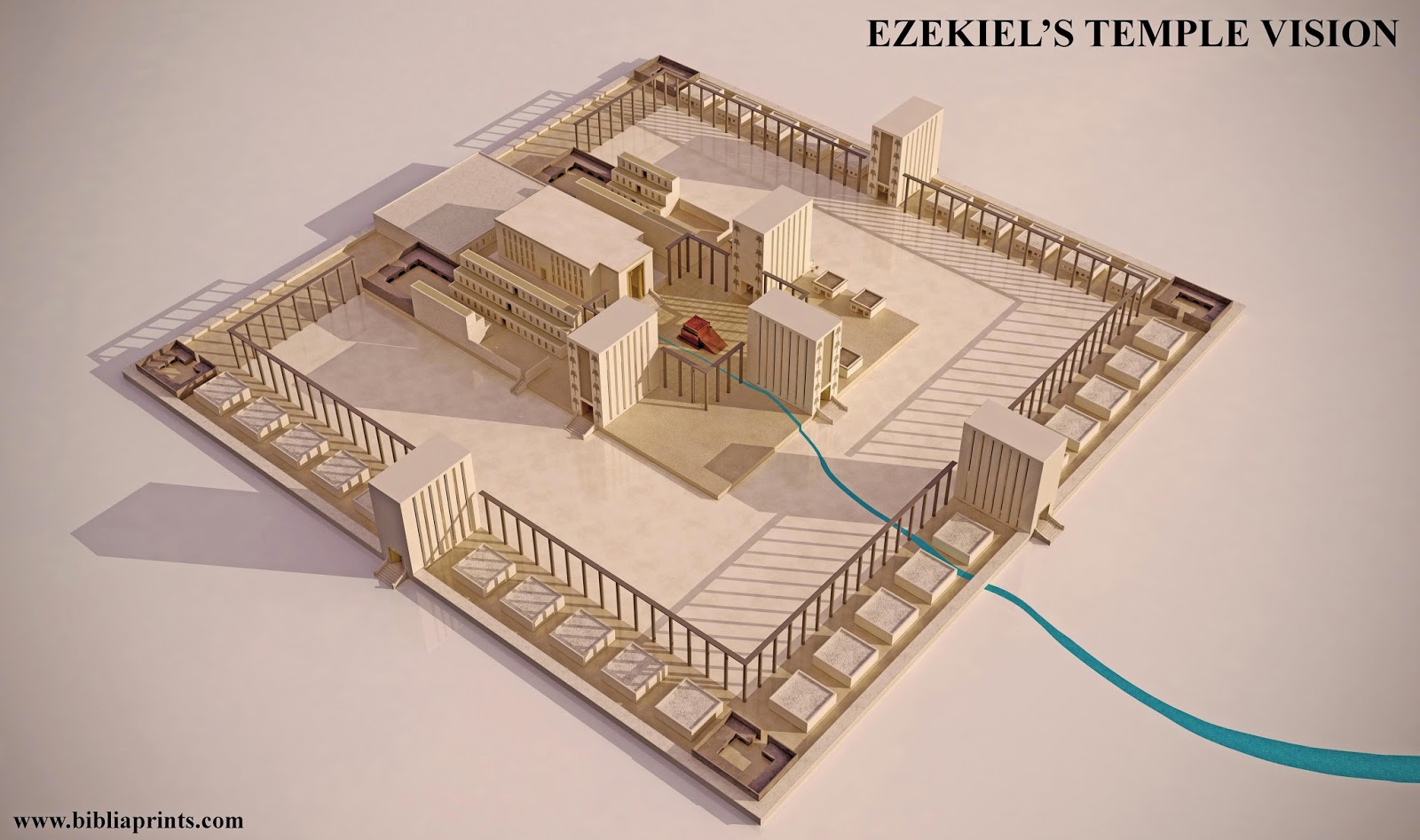
Ezekiel’s vision is fulfilled in the incarnation of Jesus, the new temple (Ezek 37:26-28; Jn 2:19-22). The temple is the central figure that prefigures the Messiah. Also, the spiritual guide who leads Ezekiel through the vision is the Son of David, the “Prince” (34:24; 37:25). The divine “Glory” who takes up residence in the new temple (43:1-12) is the same manifest in the Word made flesh (Jn 1:14). Thus, chapters 40-48 are relevant for the ongoing liturgical and sacramental worship of the corporate church, the body of Christ. It is through God’s Word and Sacraments that Christ is present with His people already now, and through these means of the Spirit, God fashions Christians into His holy temple (1 Cor 3:16-17). And the ultimate fulfillment of Ezekiel’s vision is in the new heavens and new earth, inaugurated at the second coming of Christ and the bodily resurrection of all believers to eternal life (Isaiah 11 and 65; 2 Pet 3:1-13; Revelation 21–22).
Bible Study: Ezekiel 39
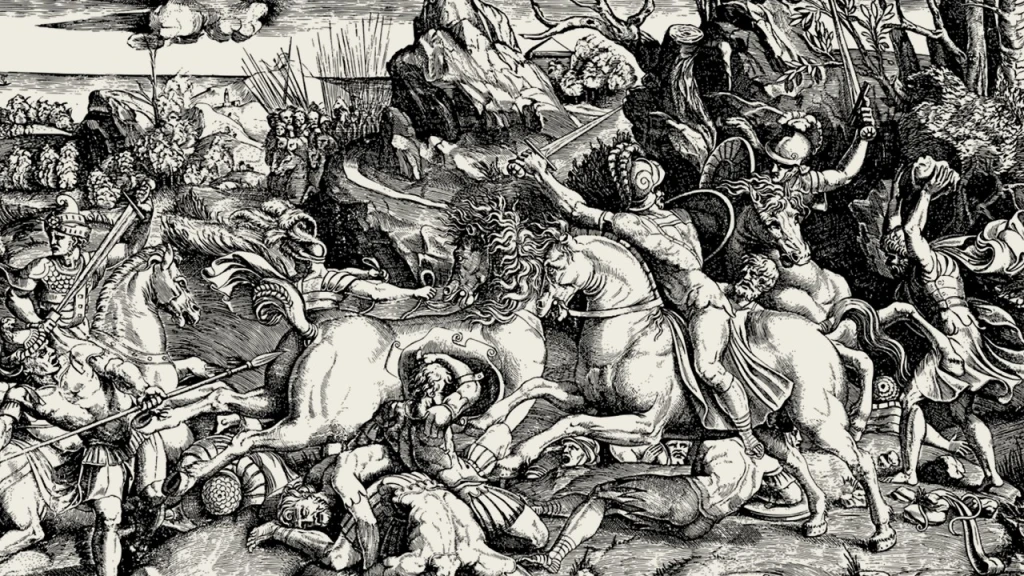
Ezekiel’s prophecy will be fulfilled when Christ has defeated all the human and demonic powers of evil, and His redeemed people are radiant with the holiness of God (Rev 21:1-11). At the first advent of Christ, the heathen Gentiles, together with unbelieving Israelites, conspired to attack God’s Anointed but were defeated by His atoning death … Read more
Bible Study: Ezekiel 38
Hordes Prepare to Attack God’s Restored People (38:1-9) – While the people and places are historical names, their function in the narrative is more important than their identity. “Gog” is likely the king of Lydia in west Asia Minor in the early seventh century B.C., known to the Greeks as Gyges and the Assyrians as Gugu.
Bible Study: Ezekiel 38-39 Introduction
The Final Battle and the Defeat of Gog – Chapters 38 & 39 are one unit, beginning with our nal Word-Event formula, “the Word of Yahweh came to me,” and ending with the signatory, “says the Lord Yahweh.” 39:23-29 is the epilogue for these chapters and 33-37. The ultimate security of God’s people even in the face of the worst threats, the outpouring of the Holy Spirit, and the fundamental promise of the return of God’s people to dwell in the promised land.
Bible Study: Ezekiel 37:15-28
Israel Reunited as One People under God and His Servant David (vv.15-16) — The divine command in v. 15-16 is the last action prophecy in Ezekiel and the only one in connection with the salvation oracles.
Bible Study: Ezekiel 37:1-14
Resurrection of the Dry Bones and of God’s People from Their Graves (37:1-2) – This is easily the best-known chapter in the book, at least v. The second half is probably as unfamiliar as the first half is familiar.